I continue to be surprised at my process for figuring out where I’ll sleep. I expected to need more certainty, to want to figure it out weeks in advance. It’s possible that as I get into summer my ease with these logistics may slip away, but so far figuring it out a couple days or a little more has worked out pretty well. In the last twelve days I’ve stayed at two campgrounds, one Buddhist retreat center and three Harvest Hosts. The retreat center warrants a telling of the story.
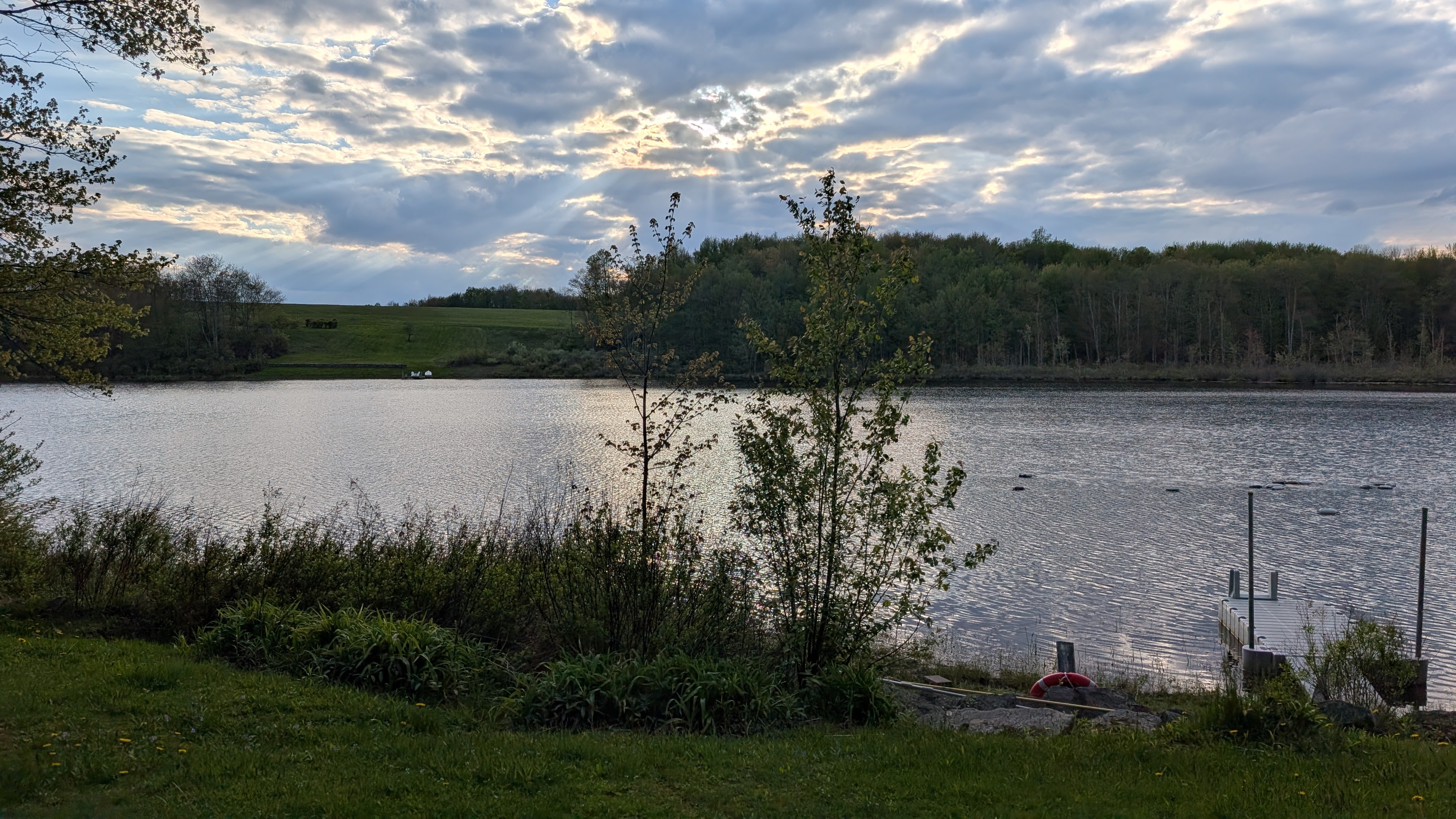
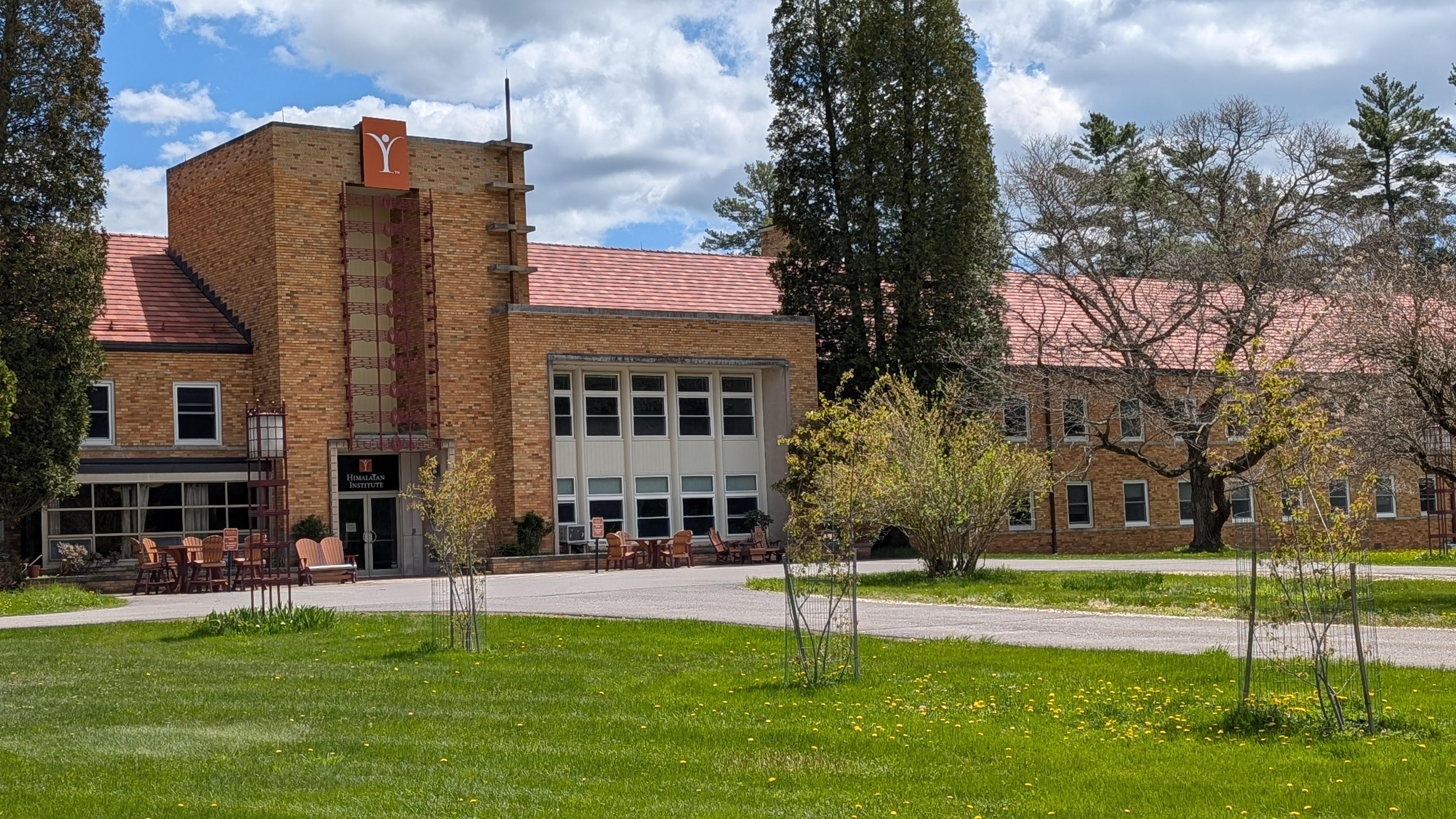
I rolled into Honesdale, a town I’d chosen as my destination because they had a blue grass jam session scheduled at a gathering space called the Cooperage. At the visitor center I was greeted by a man who loves his town! Full of informatino, enthusiasm, and pride he gave me a thorough rundown of all there was to see. “Where are you staying,” he wondered. I hadn’t figured that out yet, but was thinking of a hotel on the main drag…I needed a day or two break from van life. His expression told me it wasn’t a great hotel and he offered to make a call to see if a better option was available. The next thing I know, I’ve got two nights for the price of one at the Himalayan Institute, a retreat center just a few miles from town. Vegetarian meals included, yoga class, hiking trails and a fair trade chocolate factory on the property. Wow!
That great start to my visit foretold my couple of days in Honesdale. The jam session was a delight and the conversations I had with locals at a bookstore and art collective were as well. I left with a sense of a community with some political division, but where folks are finding ways to come together for their common good. An issue that seemed to be unifying is a proposed data center.
Honesdale is home to lots of churches, which I’ve noticed in Pennsylvania generally; There are so many that I checked the service attendance stats: 34% attend services at least monthly vs. Washington’s 27%. Honesdale is also home to the smallest synagogue in the country – http://www.congregationbethisraelhonesdale.org/
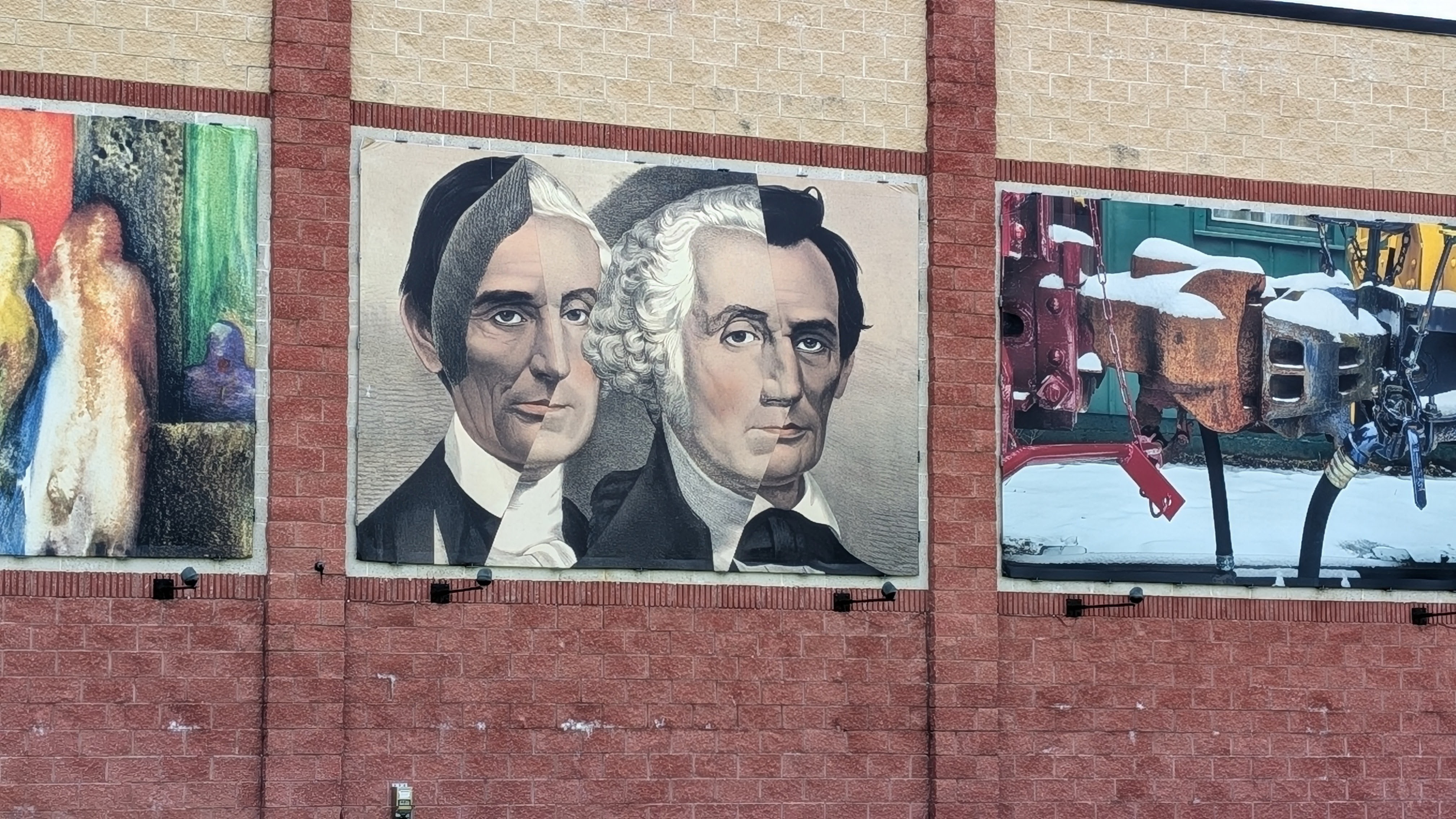
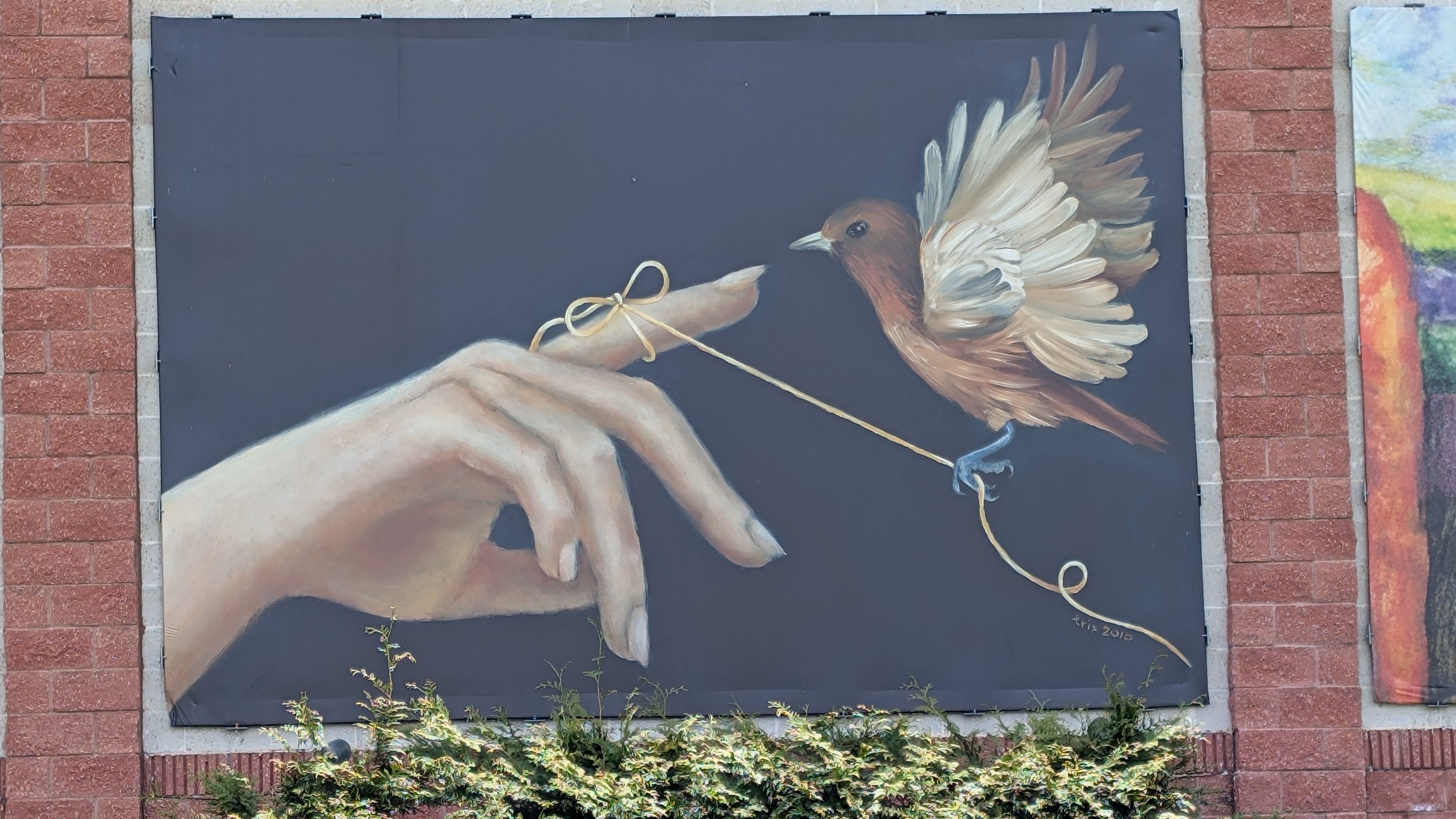
On the artsy side, the Great Wall of Honesdale features twelve murals reflecting an annual theme, this year’s being American Perspective in recognition of the country’s 250th anniversary. I found several of the murals to be evocative, maybe even provocative.
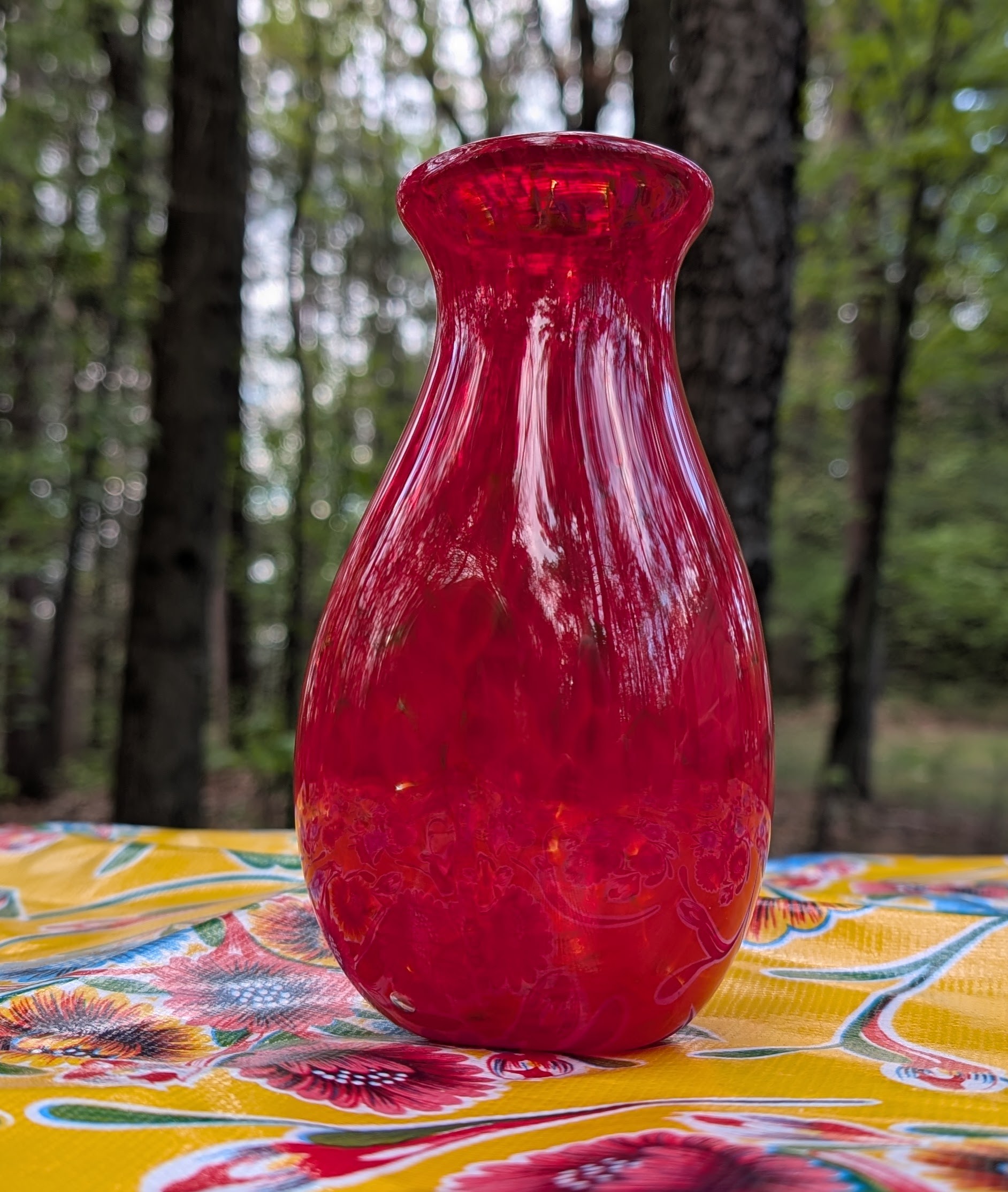
After 3 nights at a nearly deserted campground with lots of RVs parked and waiting for the “seasonal” campers to arrive, I headed to Watkins Glen State Park with a stop at the Corning Museum of Glass on Mothers’ Day. The museum blew my mind – the art was beautiful and intriguing, the history of glass was fascinating, and the vase I made will look great in my living room.
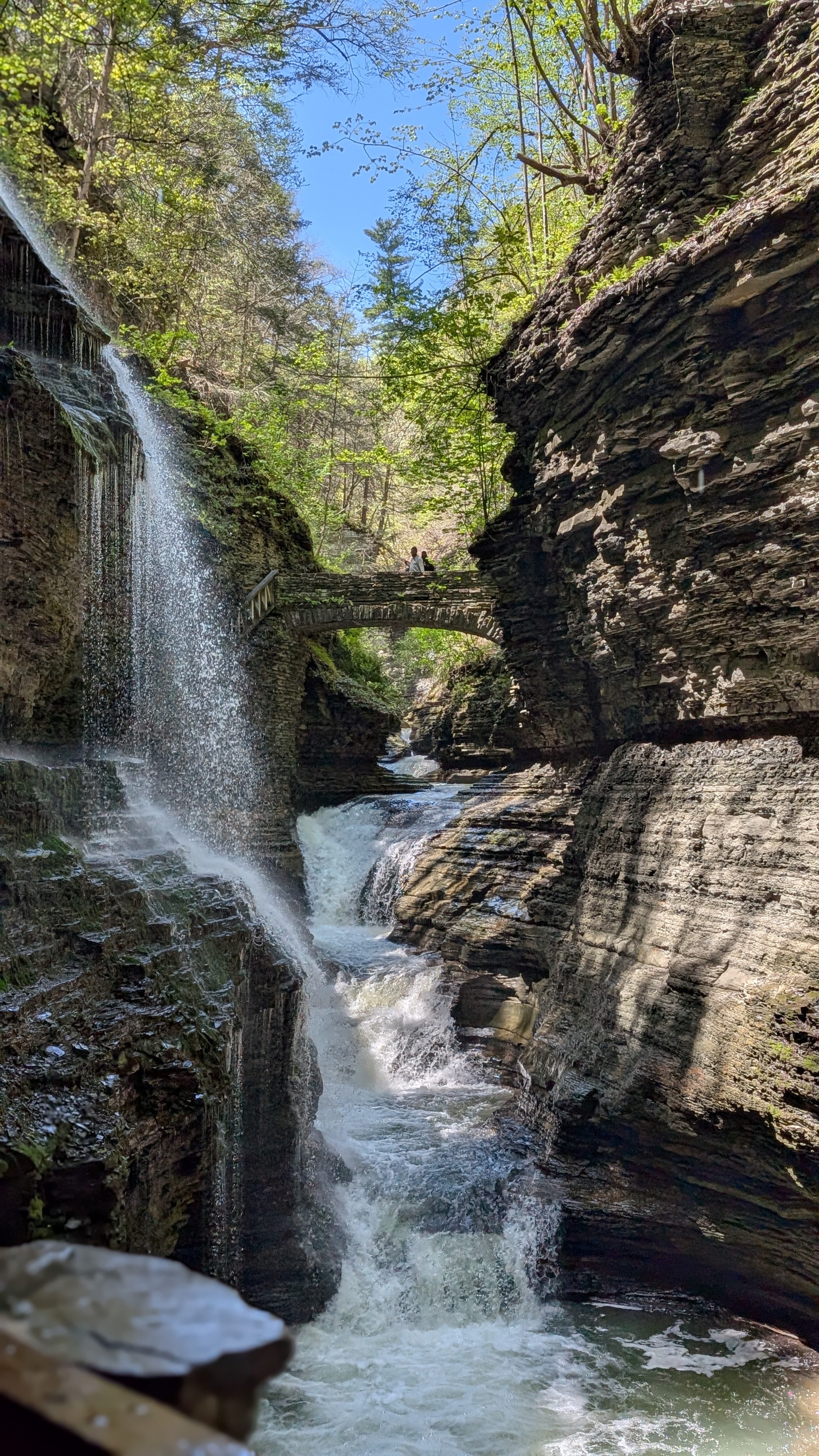
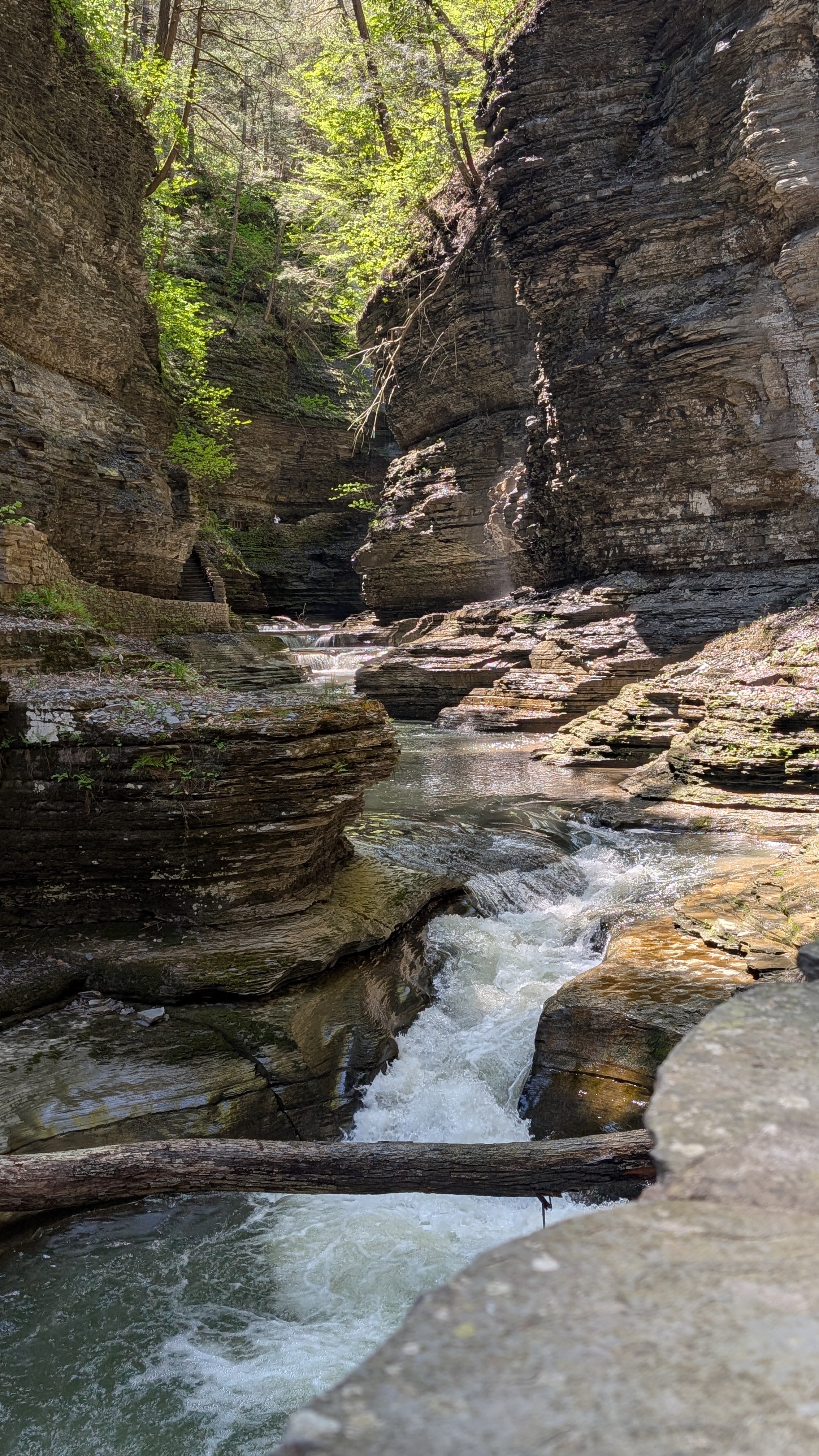
Then I went on what might be the most breathtaking hike of this trip, the Gorge at Watkins Glen. My head was on a swivel the entire walk as I looked in every direction to take in the splendor of the falls and the beauty of the gorge walls. Stunning.
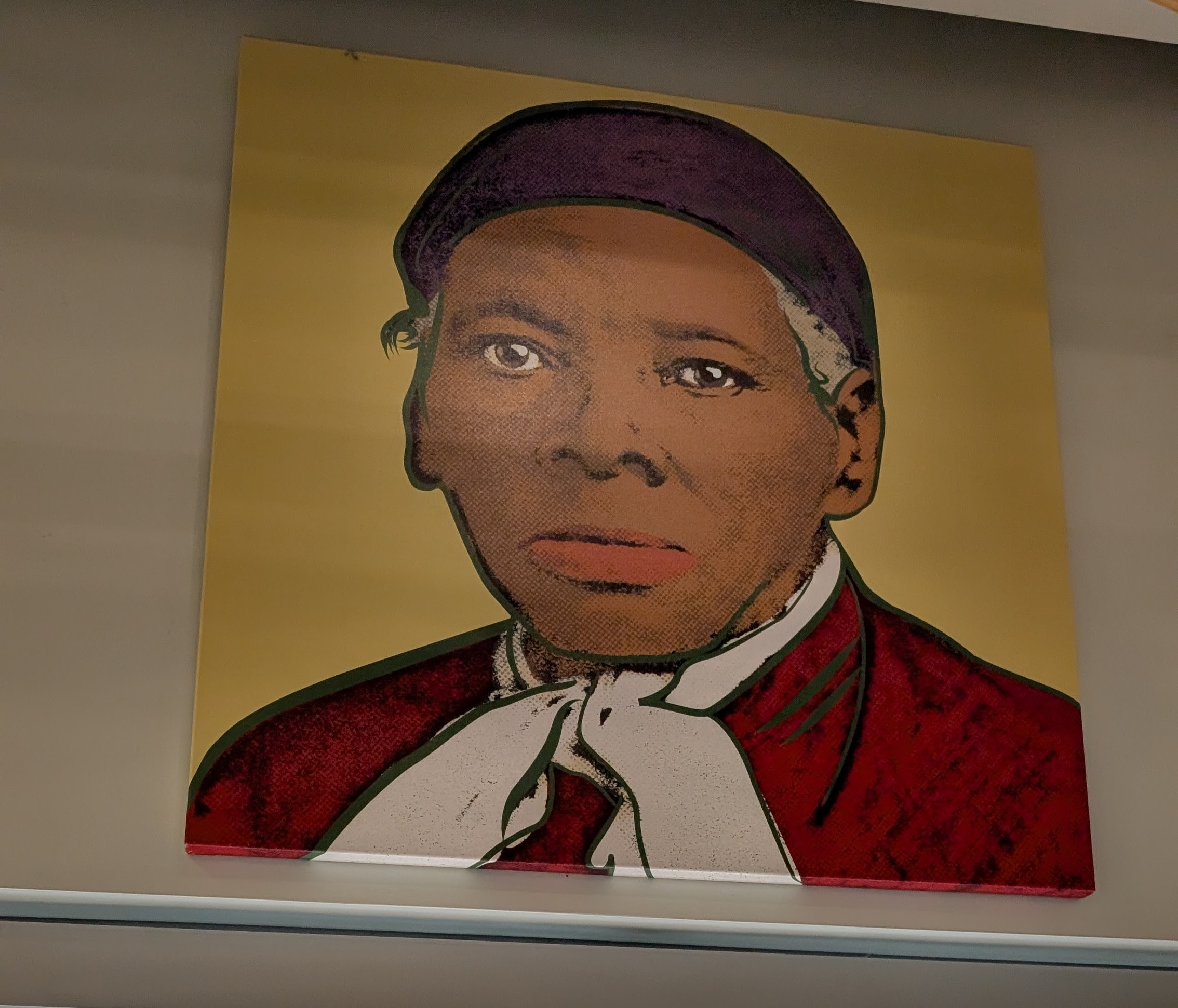
I realized in Seneca Falls that I’ve taken the struggle by women for our rights for granted. After parking at the Women’s Hall of Fame I headed over to Cafe XIX for coffee and a pastry. I was struck by the power of the tangible representations of the struggle – as I walked I saw several sculptures of people like Elizabeth Cady Stanton and Susan B. Anthony. The cafe had large, vibrantly painted portraits of others, like Harriet Tubman. I increasingly felt like this was a town that valued women…it was the vibe! Those physical representations conveyed power to be absorbed by the women and our allies of today!
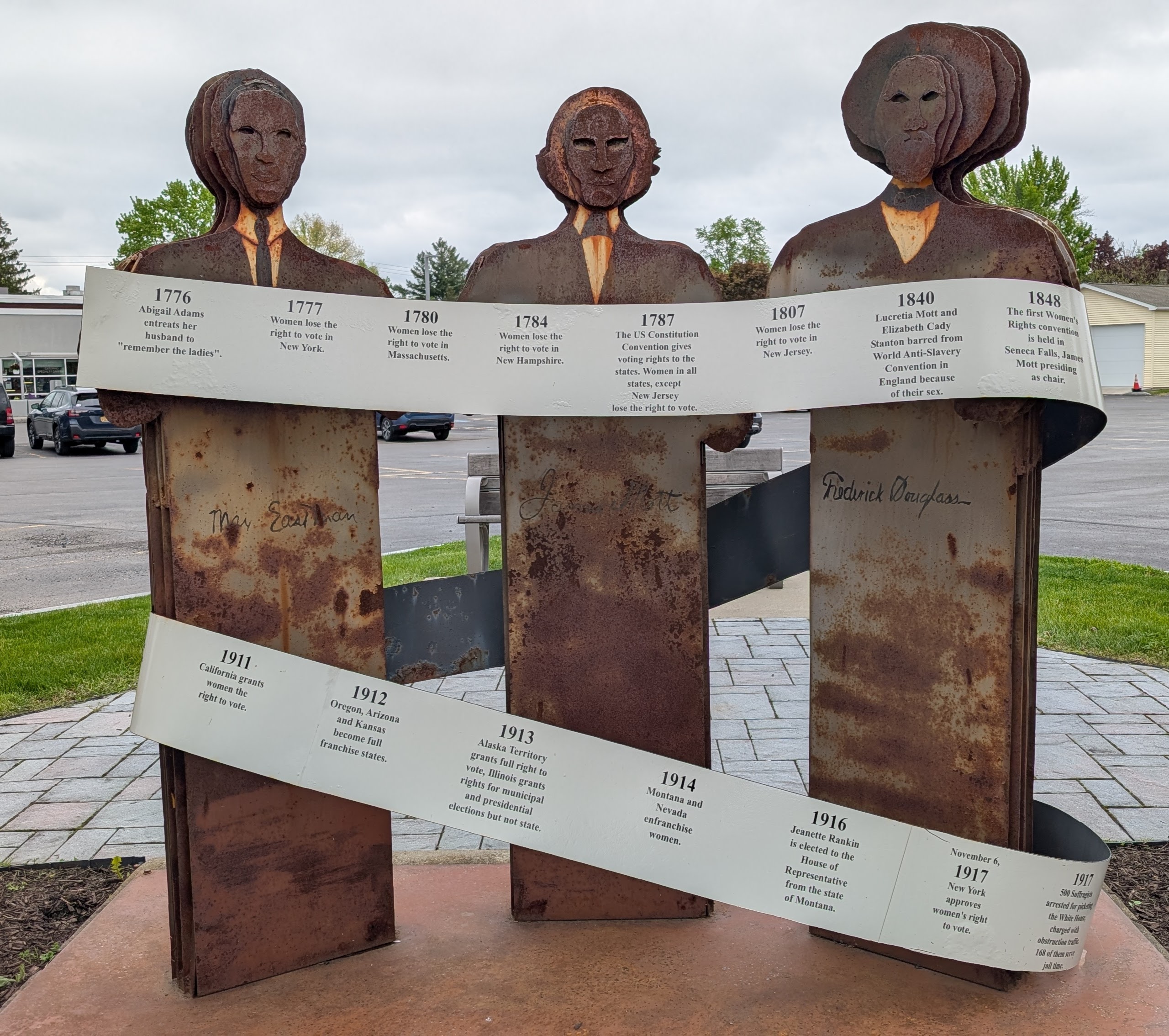
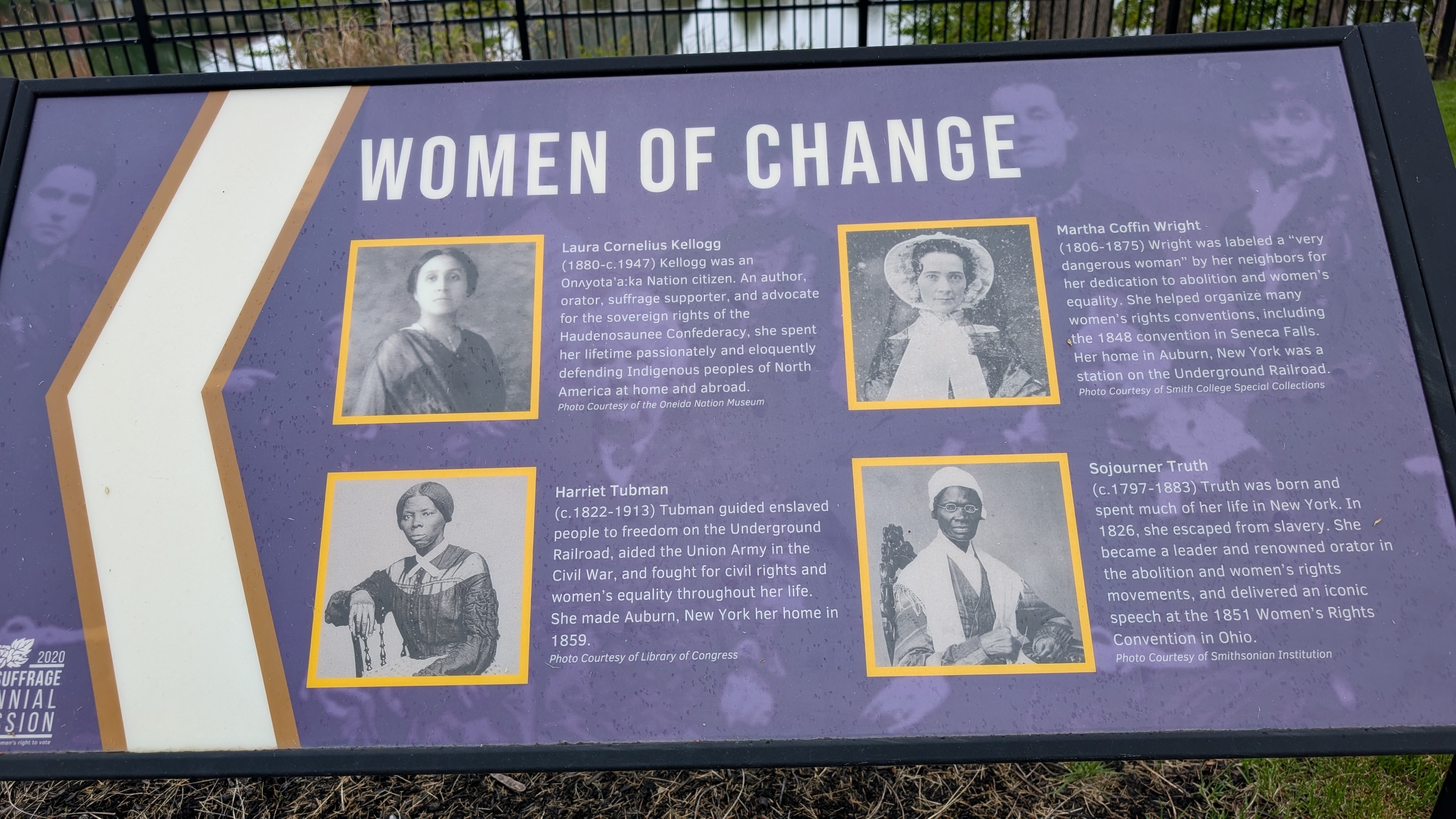
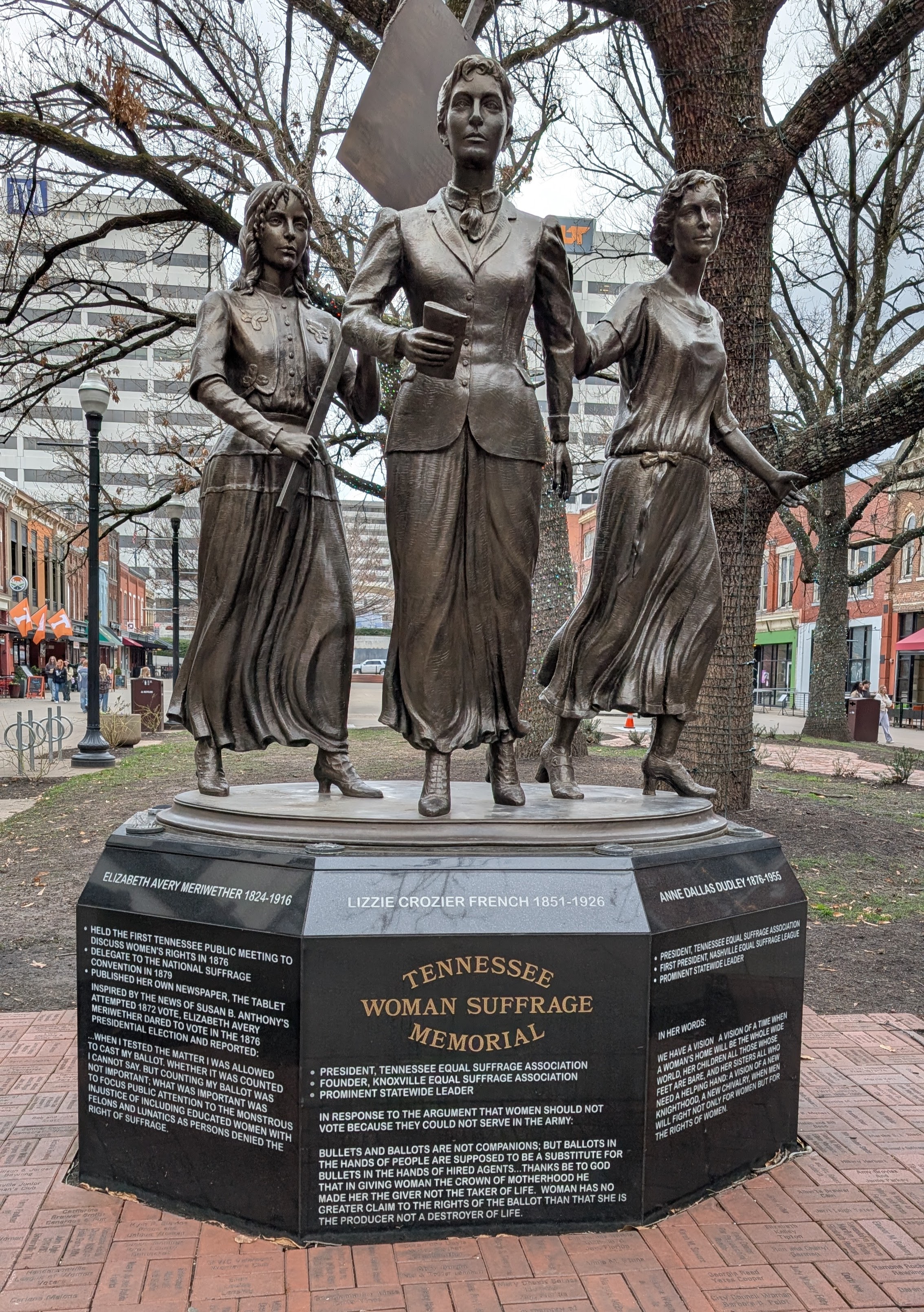
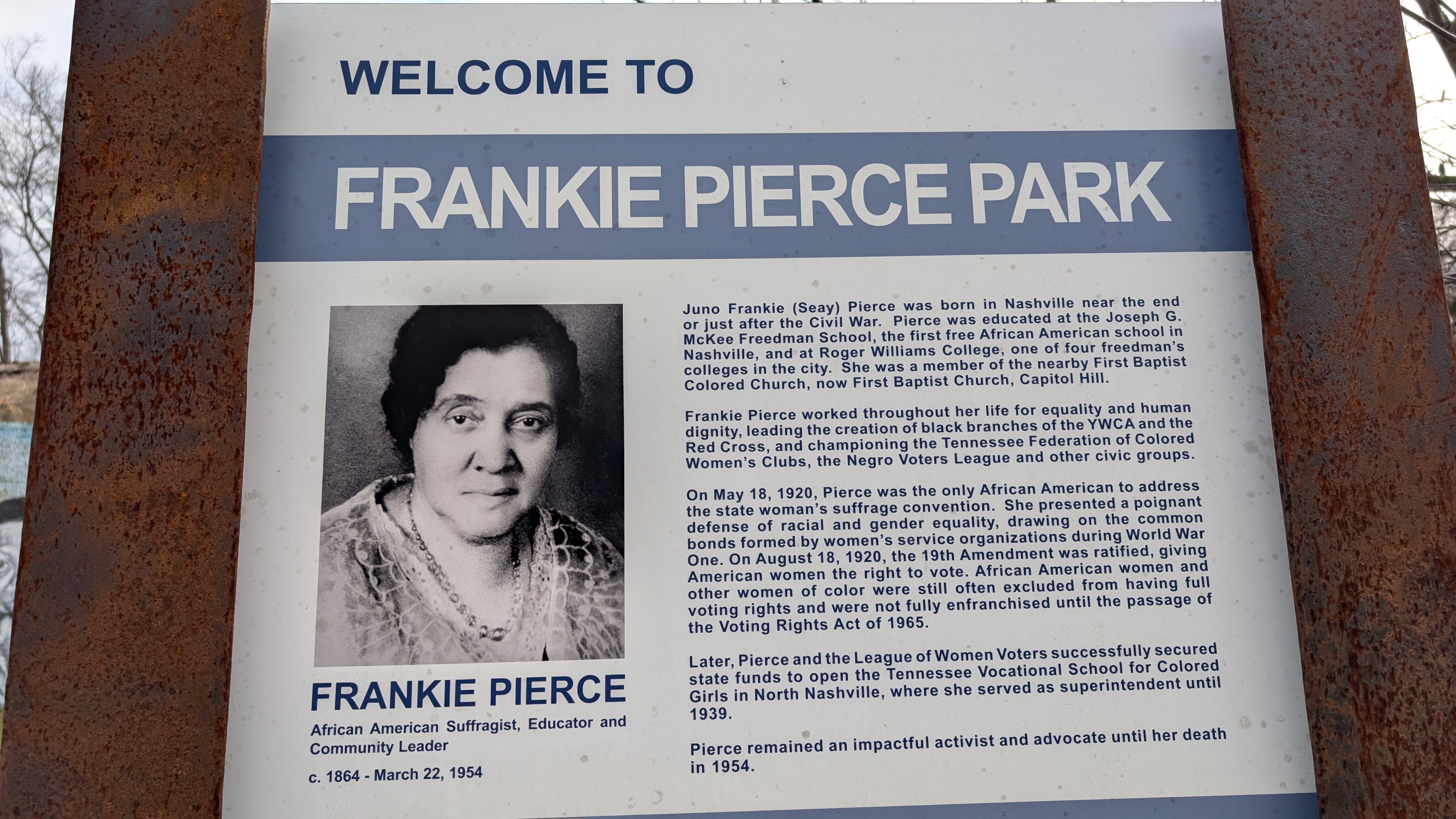
The Women’s Hall of Fame reminded me of remarkable women I knew about and introduced me to many who were unfamiliar. When I learned that inductees are nominated by the public I immediately scanned my memory bank for potential nominees. My feelings of joy, awe, and gratitude as I read the names and stories of these groundbreakers, troublemakers, and all-around-bad-assess made me realize how absent this exposure has been in my life. And that seems inexplicable to me, bringing me back to the problem of taking history for granted. A different angle on this is my impression that many states pay homage to the people of history more than we do in Washington. Many cities have sculptures honoring fallen military service members or activists from the past, like Lizzie Crozier French, Elizabeth Avery Meriwether and Anne Dallas Dudley honored as Tennessee women fighting for suffrage in Knoxville, TN. I’ve written about the murals I’ve seen, many of them honoring people from the community who made an impact, like Frankie Pierce in Nashville who played a huge role in the fight to vote and education for Black girls.
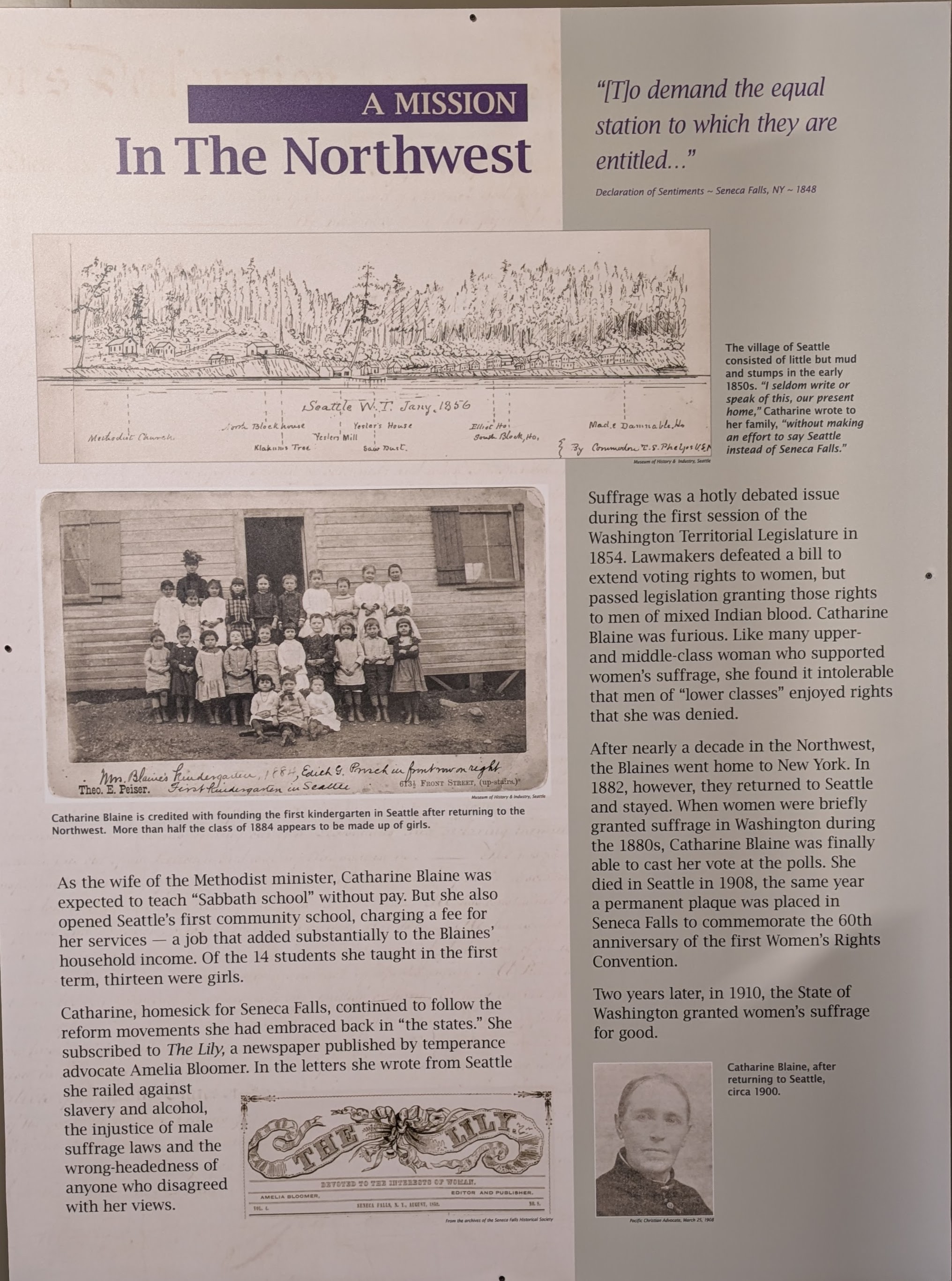
I learned (and maybe I learned this before…the name is at least familiar) that Catherine Blaine, originally of Seneca Falls, wound up in Seattle when her Methodist minister husband was sent there. She fought for suffrage for women in Washington and against slavery, although was apparently affronted by men of mixed Indian heritage winning the right to vote in Washington in 1854 when it was voted down for women. She was an educator as well. She died in 1908, two years before Washington granted women the right to vote. I wonder how she would feel about the controversy over nude sunbathing at Denny Blaine park! And that reminds me of riding my bike by the park and making up a song about the controversy to the tune of Penny Lane. It took me coming to Seneca Falls, NY to make the connection between the park and this suffragette!
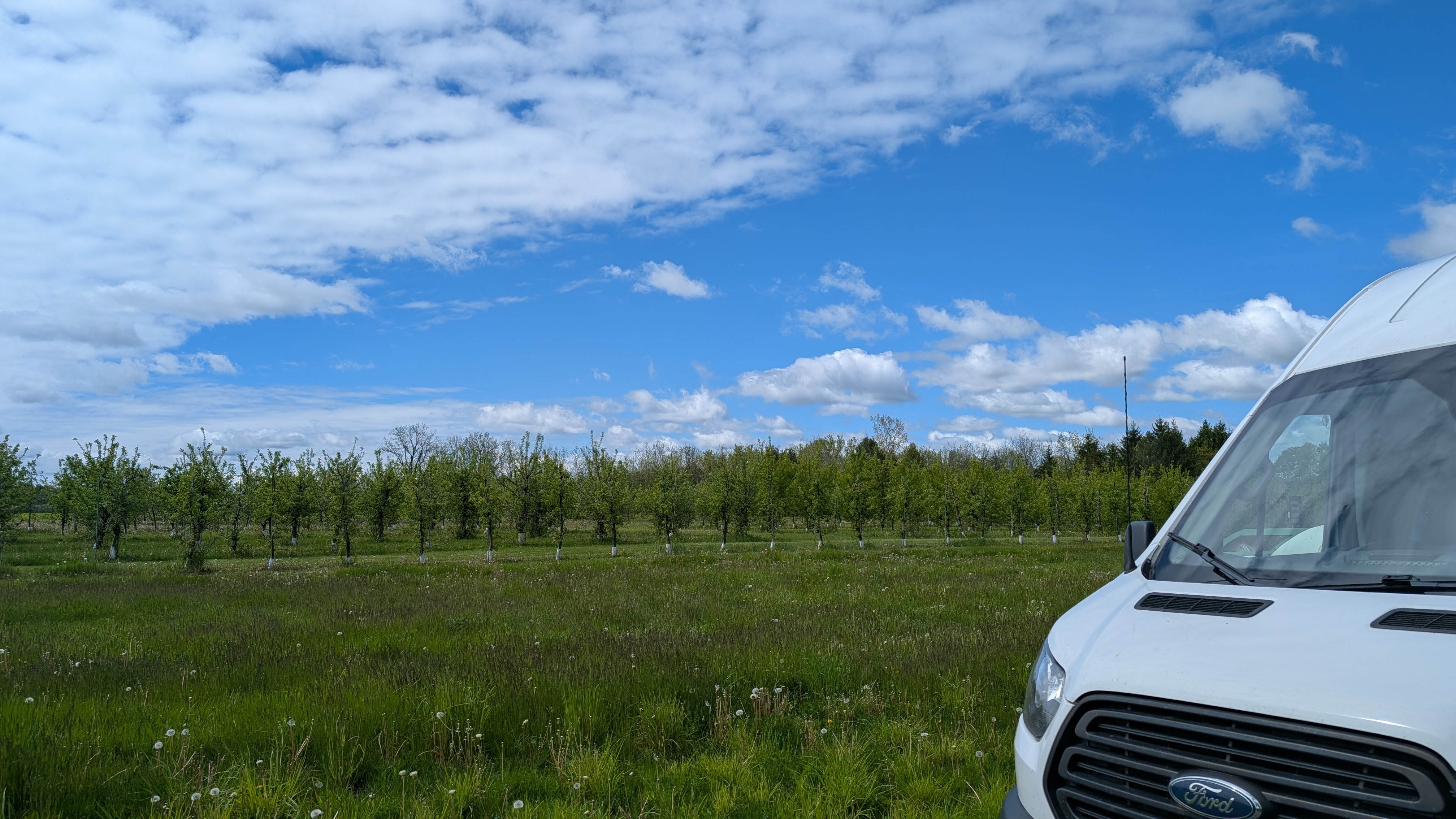
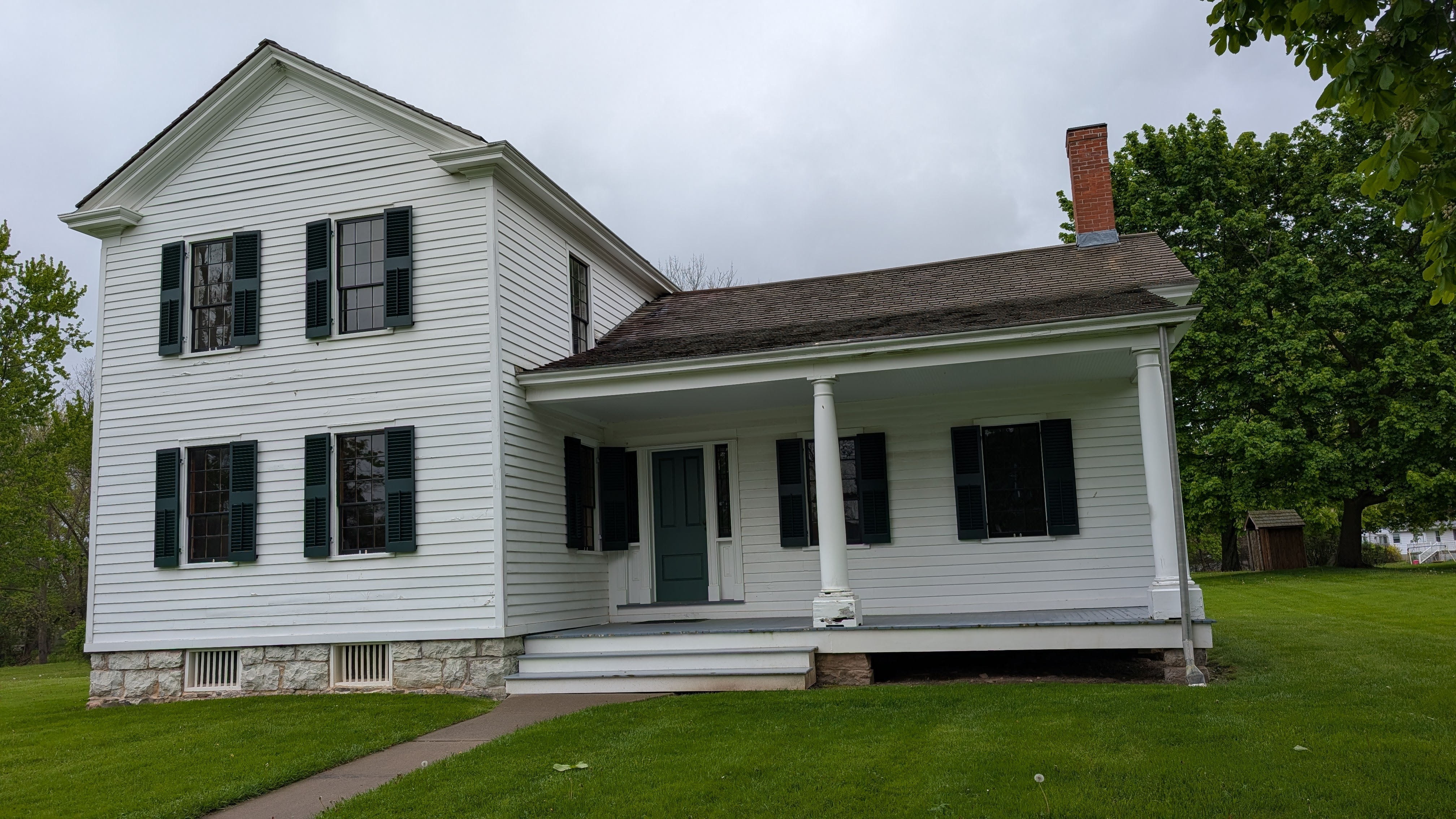
I visited the home of Elizabeth Cady Stanton, a national historic site, and then headed to my campsite at an apple winery, planning to return the next day to see more of Seneca Falls.
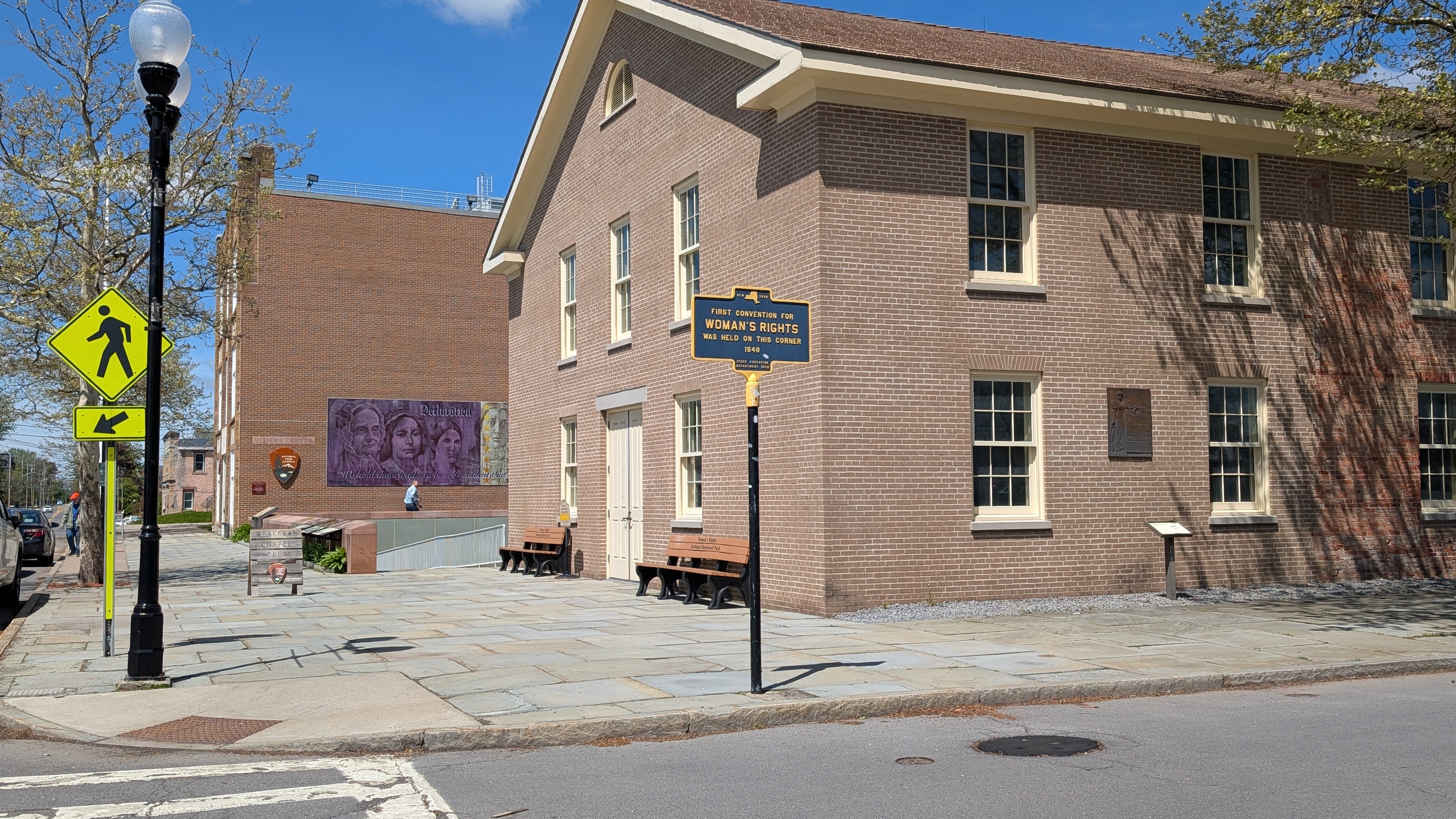
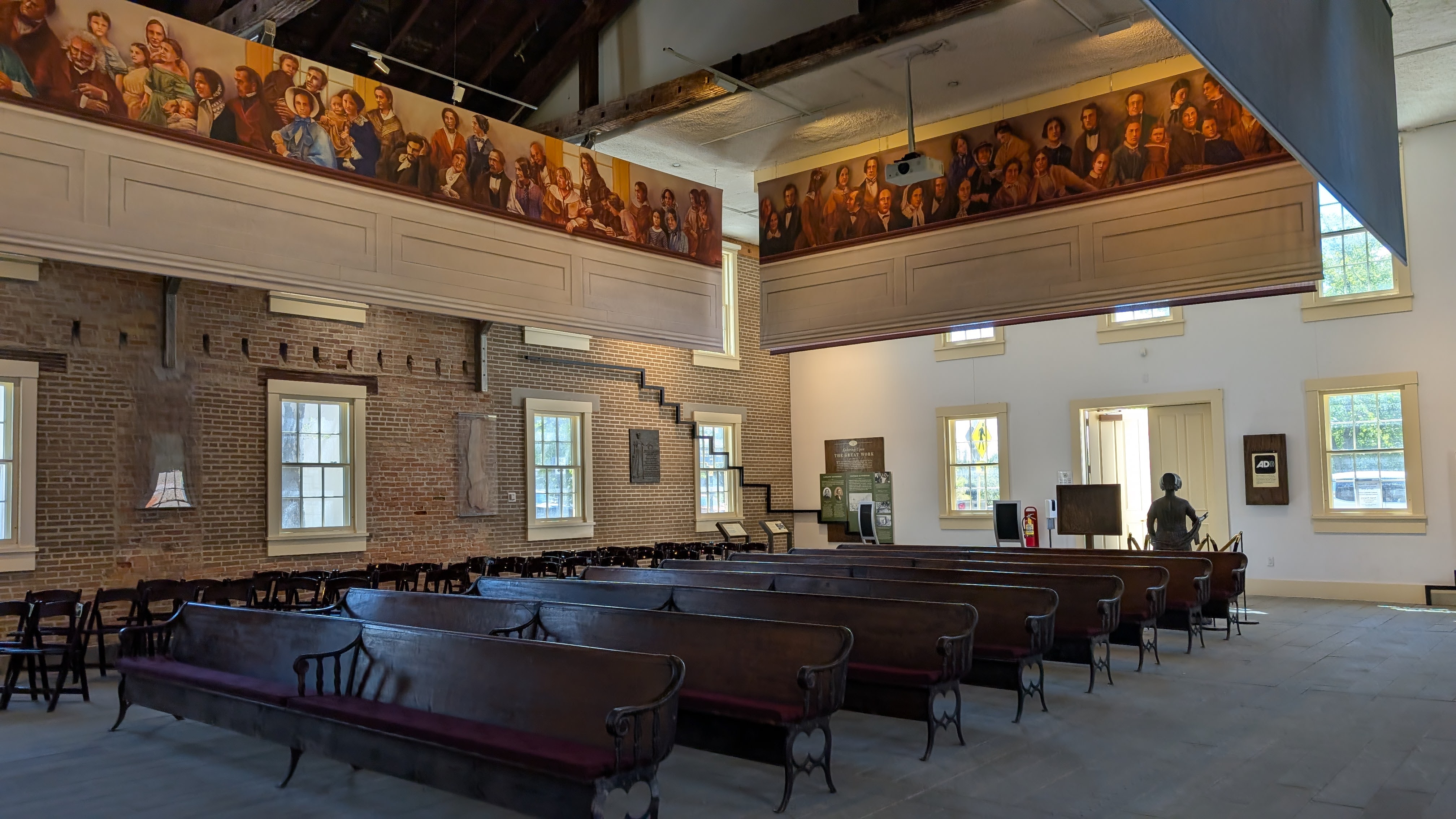
The Wesleyan Chapel was the site of the 1848 Women’s Rights Convention and I could feel the collective power of the women assembled, the commitment to what’s right of the men supporting the cause, and the tension of the moment both inside and outside the chapel. 300 people attended the convention; 68 women and 32 men signed the Declaration of Sentiments after Elizabeth Cady Stanton made the motion and Frederick Douglass seconded it.
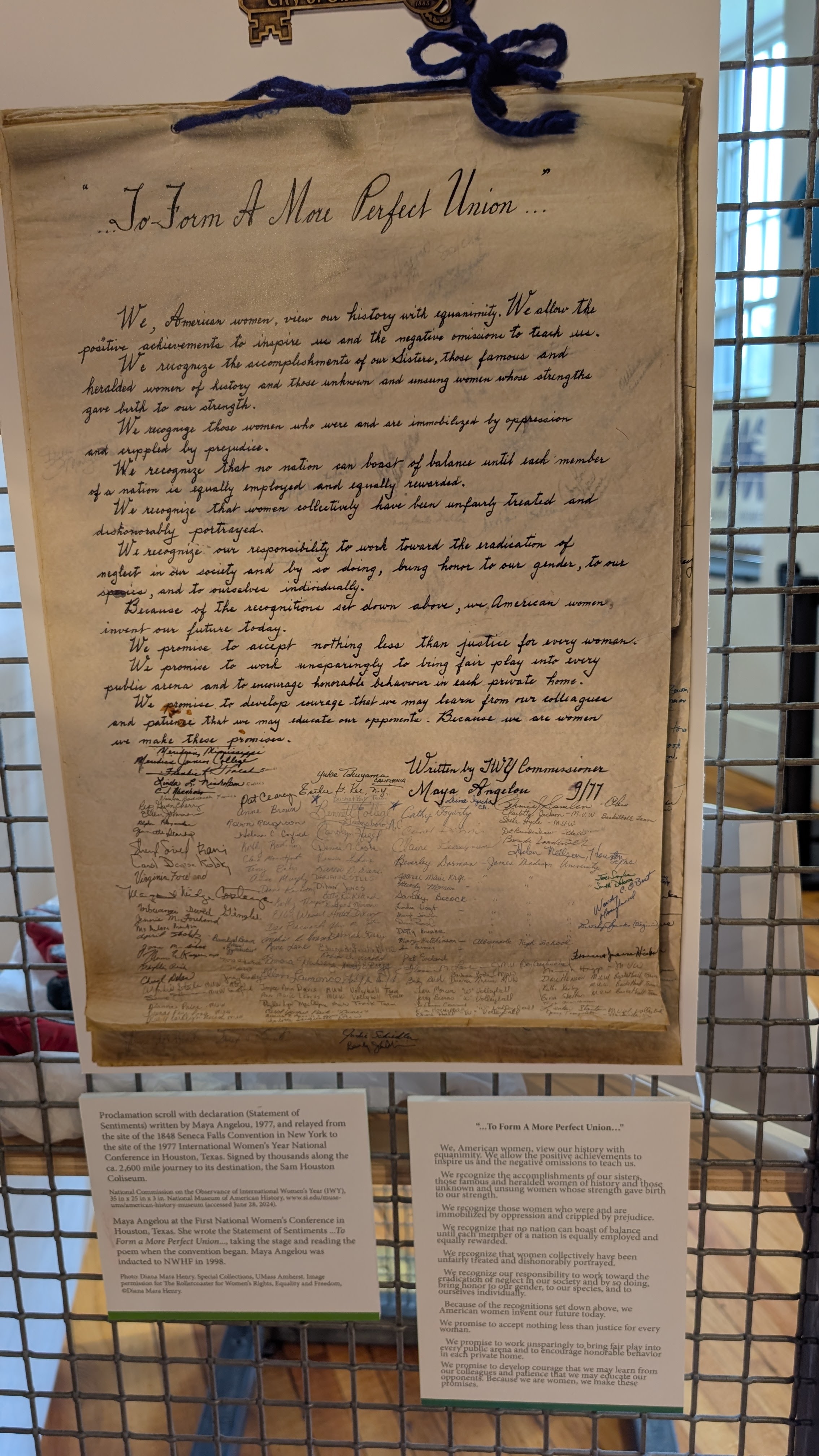
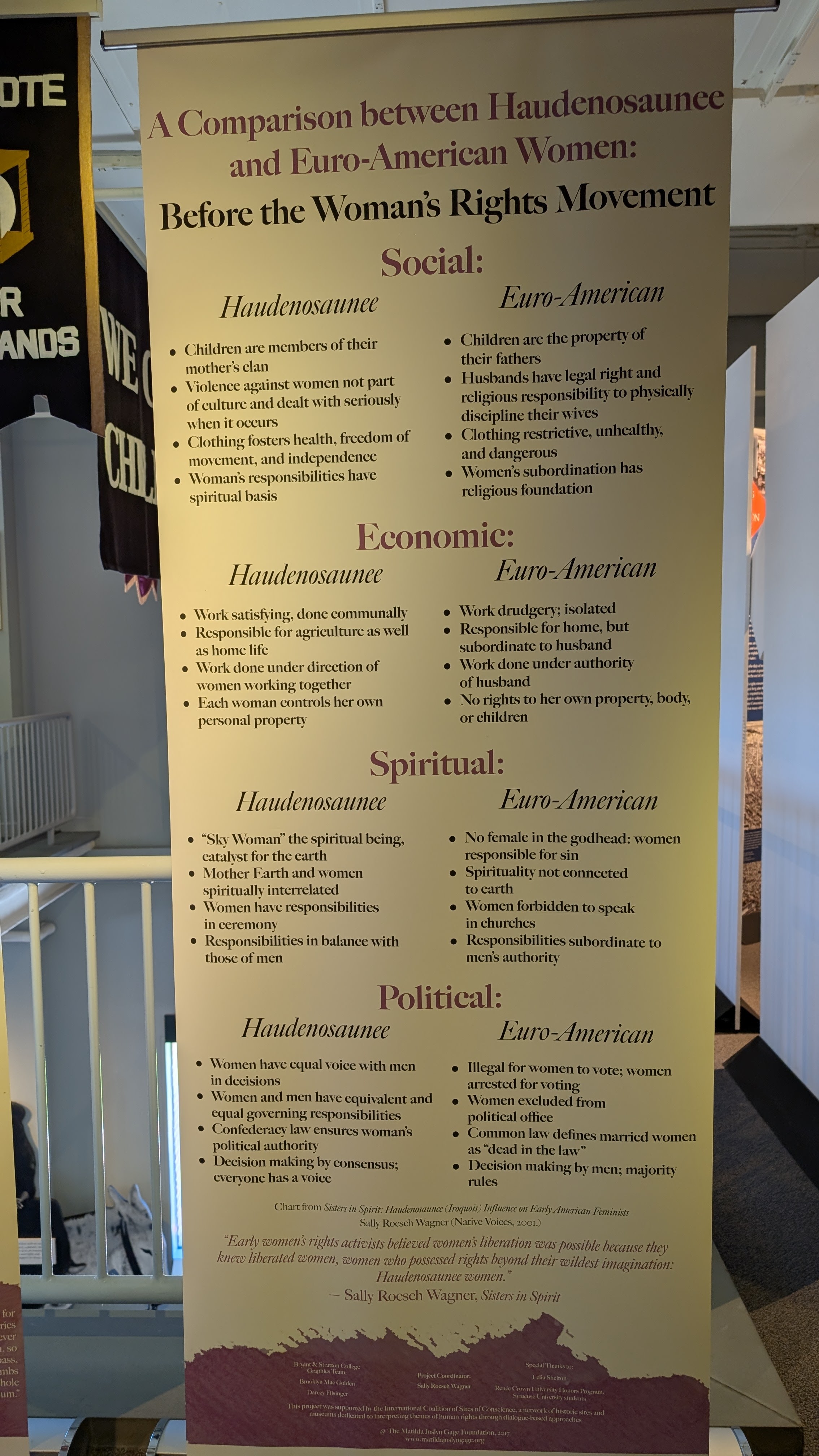
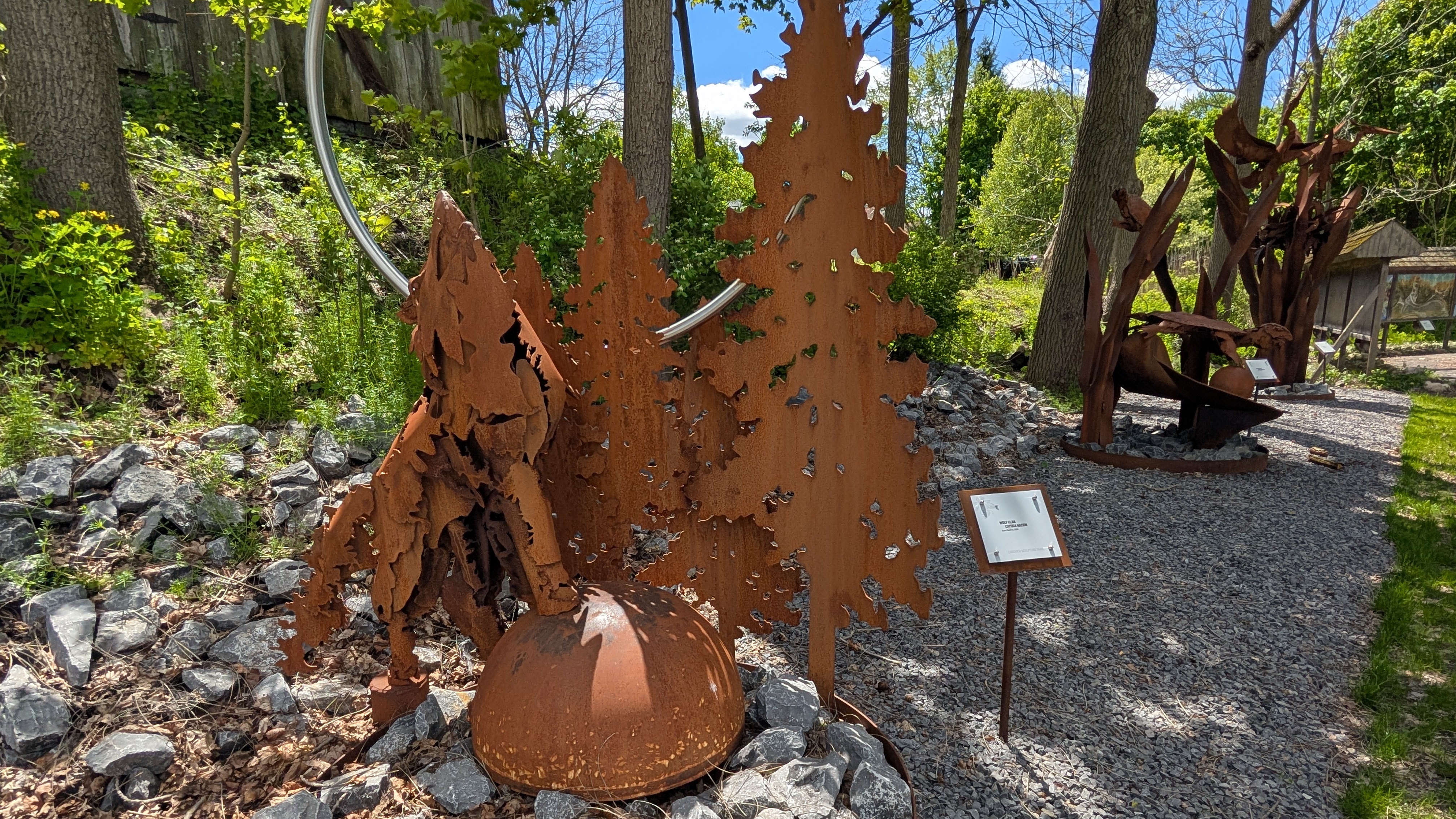
Intersectionality wasn’t a term in the mid to late 1800s but it was a phenomenon. Several exhibits acknowledged the incongruity between the belief in equality and the exclusion of the concerns of Black and Native American women. One of the exhibits contrasted the rights of Haudenosaunee women and white women – the Haudenosaunee women lived within a matrilineal culture and already had within their community what white women sought, but they were being forced off their land by the dominant group. I walked the Ludovico sculpture trail along the Seneca-Cayuga canal and noted a sculpture for several clans within the Haudenosaunee – the Bear Clan, Turtle Clan, Wolf Clan, Snipe Clan, and Heron Clan. There’s was a democracy and there are indicators that their constitution was a model for the U.S. Constitution. As is so often the case, I learn a little bit, then realize how much I don’t know and how many layers there are – you can find more info about this confederacy at https://www.haudenosauneeconfederacy.com/.
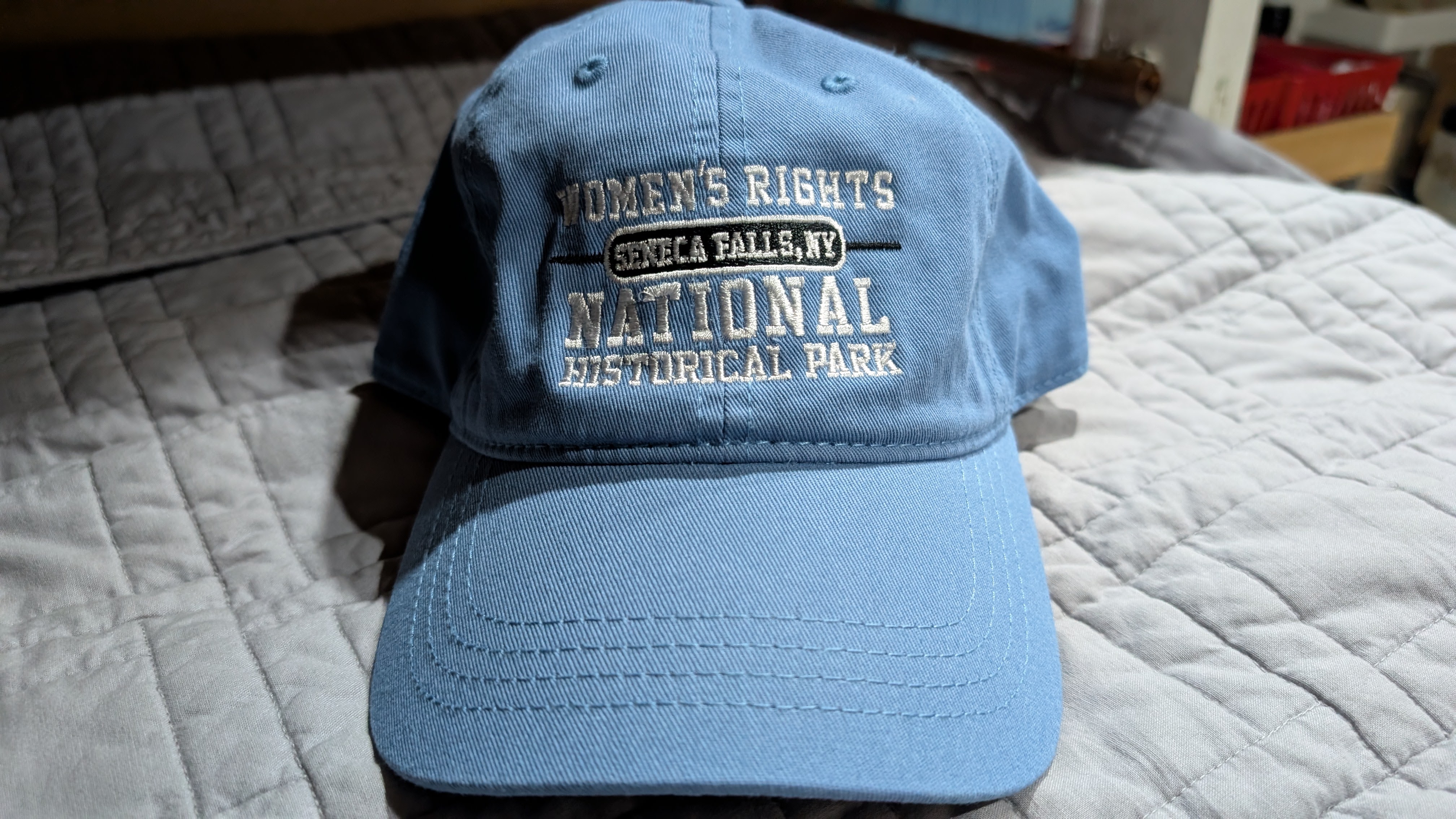
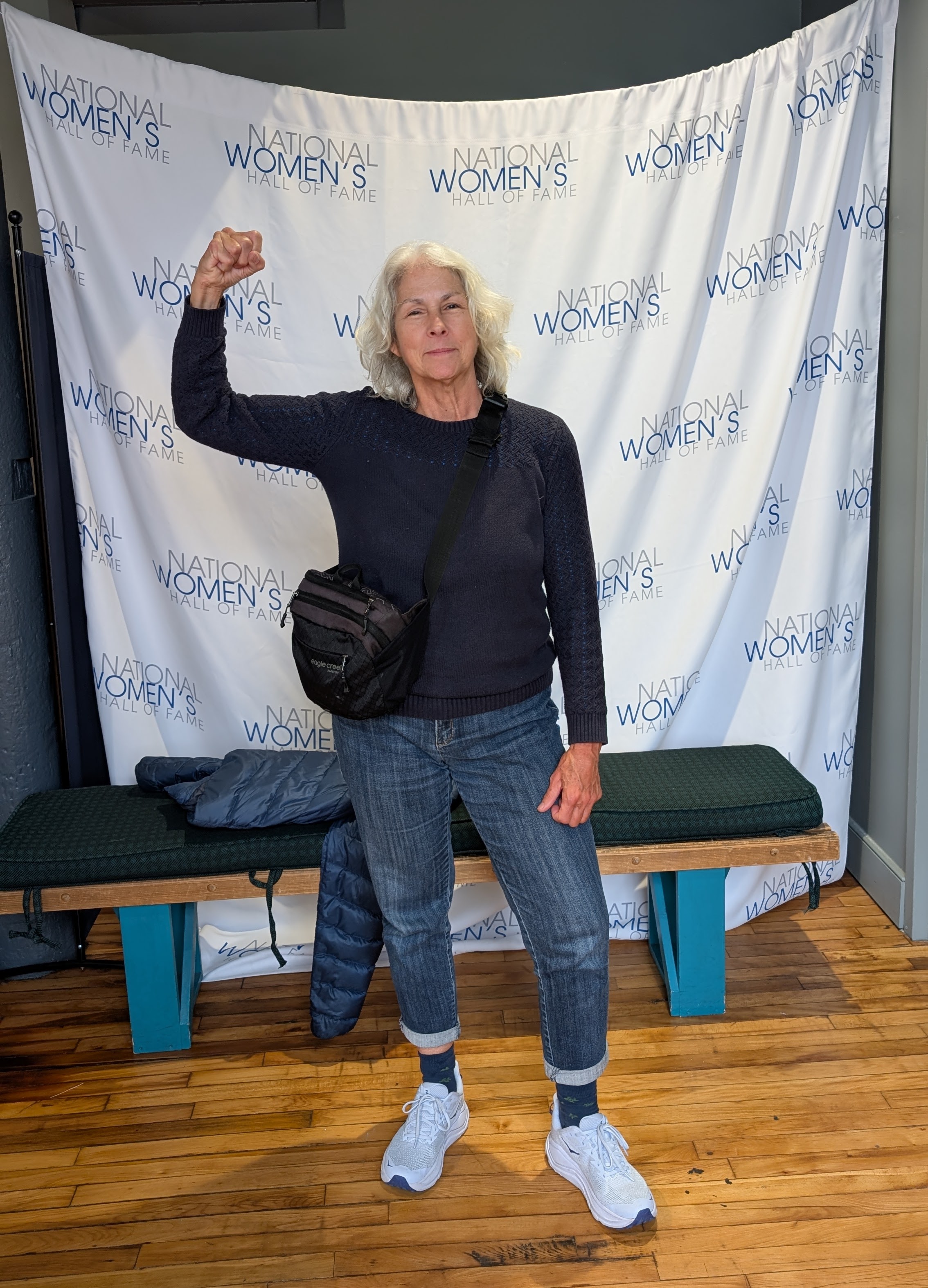
I loved spending time in Seneca Falls!


Leave a Reply