I had decided that my wrist wasn’t healing fast enough and I should get it checked out. Kaiser exists in Maryland so it also made a good excuse for traveling back south from West Chester, PA. The bureaucracy got to me, though…our health care system is absurd…and I gave up on getting an appointment. It still seemed like a good idea to visit Maryland, though, both to spend some time being still at a campsite and to explore the Underground Railroad trail.
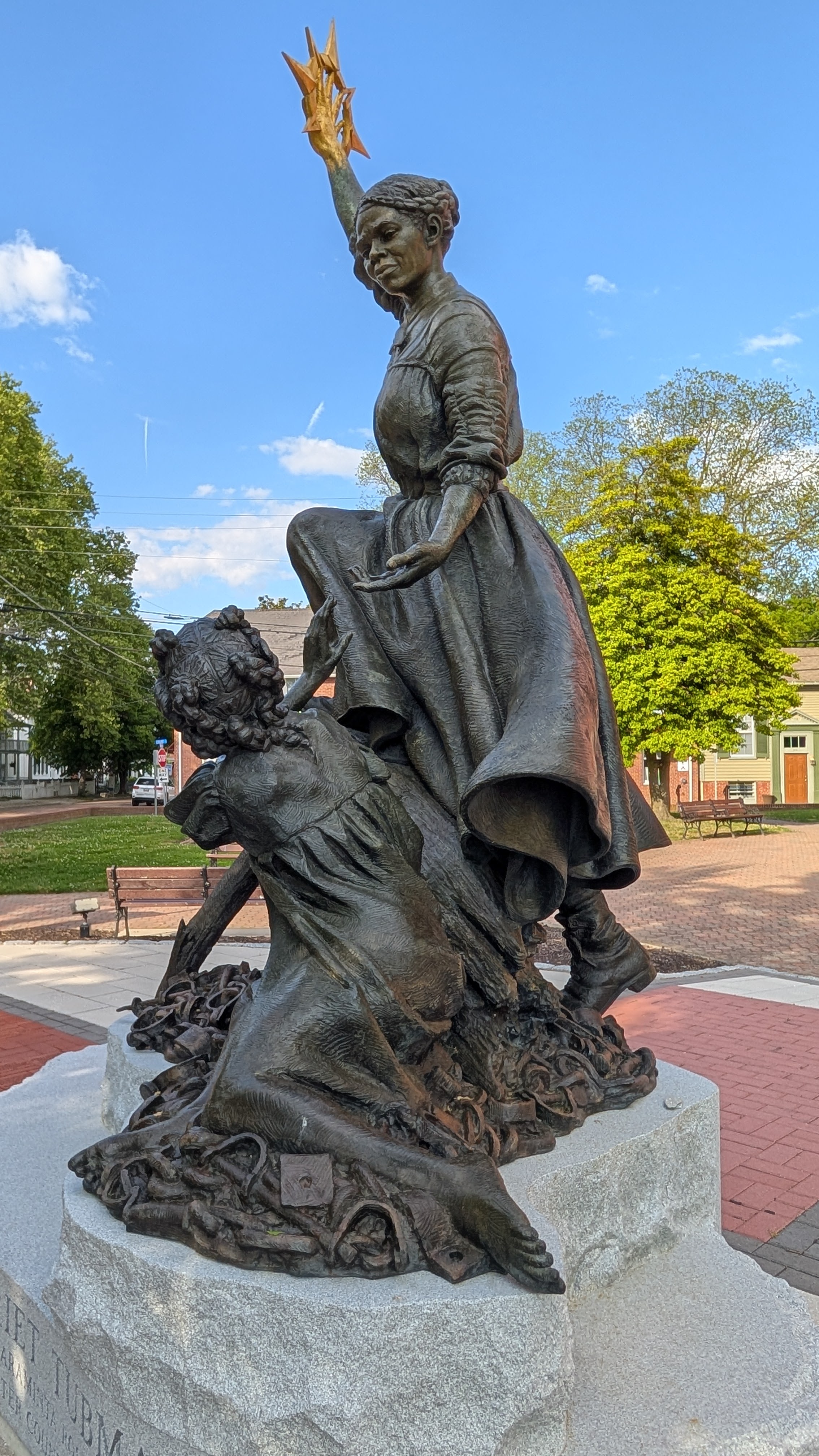
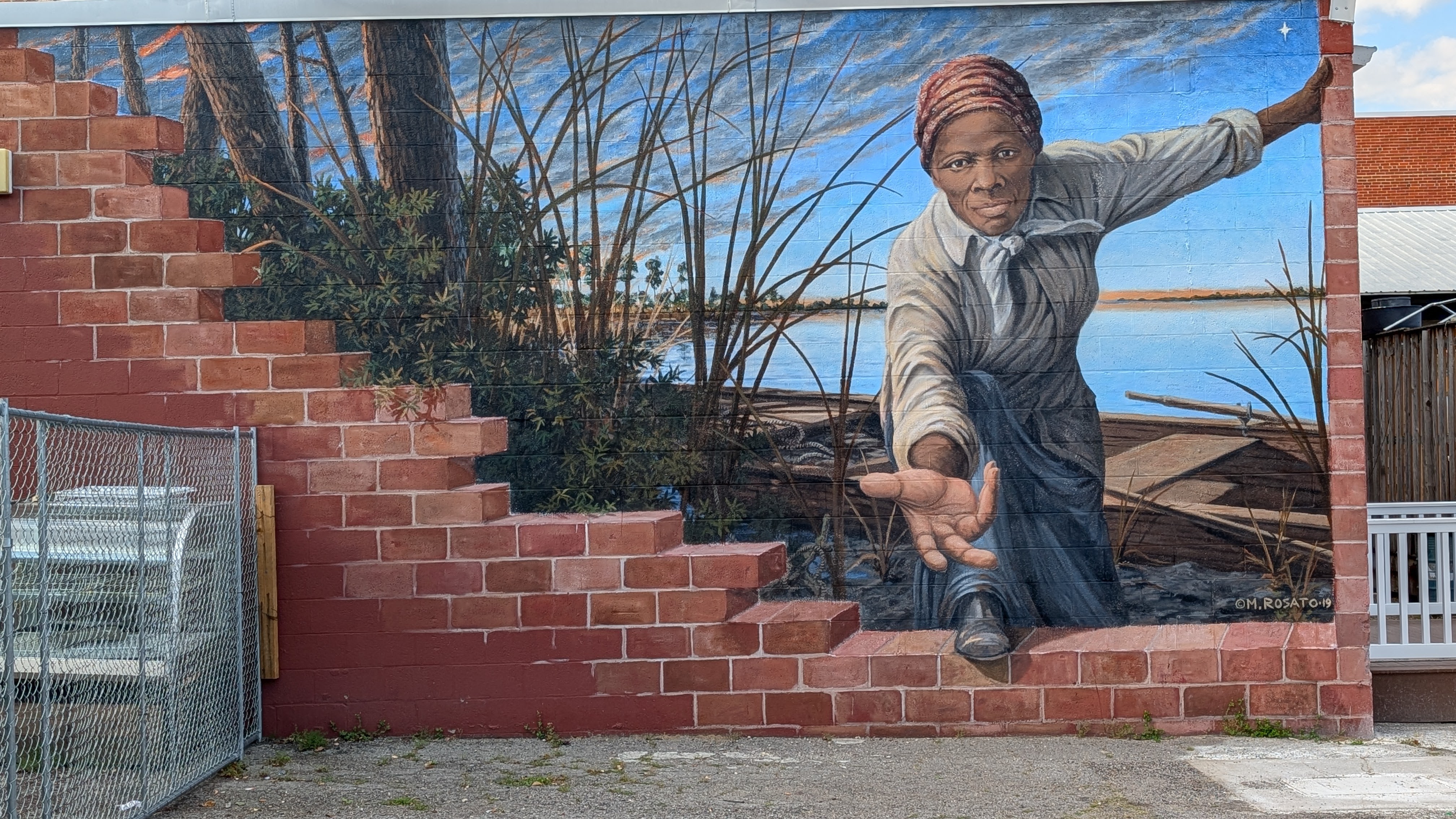
Harriet Tubman was born, enslaved, raised and escaped from the Church Creek area, where there is now the Harriet Tubman Underground Railroad Historic Park. She then returned numerous times to guide her enslaved family members and other Black people (at least 70) to their freedom in the North.
Insert Tubman sculpture
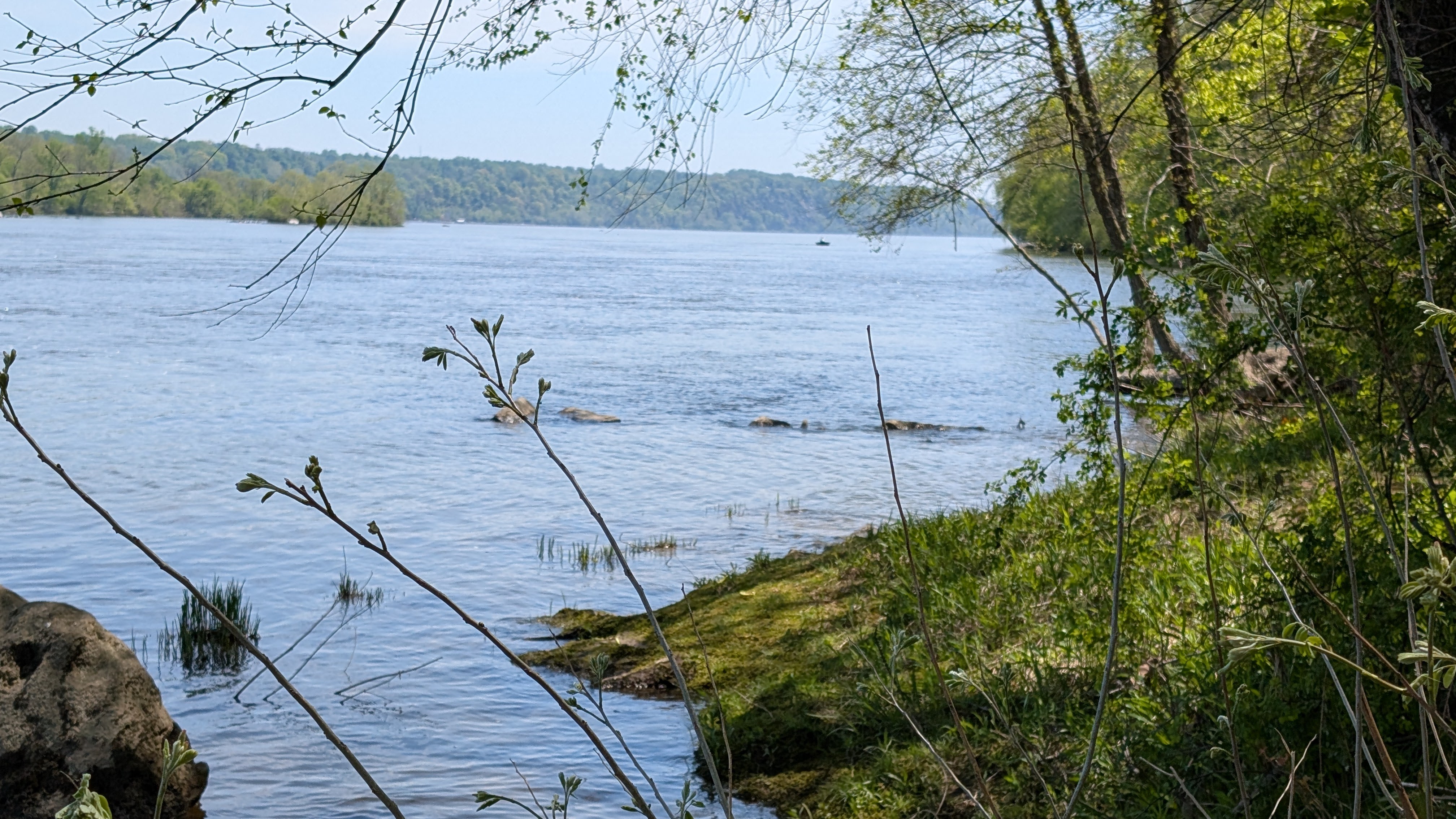
Before I went south to explore the underground railroad, though, I spent five days at Susquehanna State Park and four at Elk Neck in northeast Maryland, hopping on my bike for a short mountain trail ride and a road ride and hiking through forest, along the sandy beach near Chesapeake Bay, and through prairie-like land. That and time to write was what I needed after the previous busy weeks.
I got up Thursday, my last day at Elk Neck and did all the things I need to do when I move on…empty the gray water tank, fill the clean water, fill my gallon jugs, toss the trash. All was well, except that when I opened my contact lens case the left lens was missing. Nowhere to be seen. Now I have a long history of losing, and finding, lenses. There was the time I got something in my eye while riding my bike on the Boeing access road in Renton. As I sat on the curb with the lens sitting precariously on my finger tip preparing to put it back in, a gust of wind arose, blowing it away. Partially sighted with just one lens in I searched frantically along the road. A man on a bike stopped, helped me look to no avail, and rode on. “Ok,” I told myself, “I’ll walk to the corner searching the asphalt, and if I don’t find it I’ll forget about it and ride on.” I didn’t think about how I would navigate the five miles to home with my limited vision. I slowly walked the 100 feet or so to the corner, scanning a two foot ribbon of the road as I went. Approaching the end of the 100 feet I could scarce believe my eyes…but there it was, the quarter inch lightly green tinted disc that would restore my vision. Could it be that I’d found the darn thing? Indeed, it was so.
Or what about the time in the Denver airport? As I sat in the row of seats with travelers passing by in each direction, my contact was bothering me. I popped it out, as I often do, rinsed it and put it back in. It still didn’t feel right, though, so I headed to the bathroom where I could use a mirror to locate it, probably tucked into the corner of my eye. Problem was, it wasn’t there. No sign of it in my eye at all. Damn, I thought, this is not good. If it’s not in my eye, where the hell is it?
I walked back along the busy corridor of the airport, found my same seat free and sat down. I scanned the ground around me thinking “there’s no way it’s here. Even if it was, dozens of people have walked by since I went to the bathroom…it’ll be filthy if not broken into pieces.
And then, voila! There it was, waiting on the carpet for me to claim it, dirty but none the worse for wear. Amazing.
Given that history, of course I thought I would find this lens. I’d better! I had a back up pair, but this was a new prescription that allowed me freedom from readers. I searched and searched, but without my expected good luck. It was gone for good. Ever the optimist, I searched for the next couple of days, thinking maybe, just maybe, it would suddenly appear. Not this time. I carried on.
After I was packed up I hopped in the drivers’ seat, turned the key in the ignition, and groaned. Tick tick tick…nothing more. Four more tries. Nothing. I pulled out the owner’s manual, raised the hood, stared helplessly, and catastrophized. After a few minutes my camp neighbor Bill, whom I’d spoken to earlier that morning, approached, coffee cup in hand. “The hood’s up, you’ve got the manual out…that’s not a good sign.”
I was worried it was the alternator or the starter. He pointed out it could just be the battery and went off to get his portable charger. Meanwhile, my neighbor Ken on the other side walked over. “Hood’s up, manual’s out…not a good sign.”
Bill hooked up the charger and I watched, so that once I bought one I’d know what to do with it. The car started right up and Ken pulled out his battery tester. As he moved in he startled and shouted “there’s a mouse under the hood!” Oh no, I groaned, even as I laughed. Bill went to the trouble of checking the battery connections, the battery being underneath the driver’s seat. All seemed fine. It seemed likely the battery had just reached the end of it’s life and I’d need to stop and get a new one on my way to my next destination. It could have been worse.
I thanked them profusely, hopped in the van and drove off, wondering if my mouse hitchhiker was going along for the ride.
Although the day had started out badly and thrown me off by a couple of hours, I made it to the Harriet Tubman Underground Railroad Historical Park and Visitor Center an hour before it closed and visited a couple of the sites and the Black Water Wildlife Refuge before heading to the Harvest Host farm, Hope Found Farm, I was staying at for the night. The wildlife refuge was land that people escaping enslavement had to traverse. It was unnerving to imagine running through the trees, the marsh, the dark in the desperate dash to the next safe place to hide and rest before the mad dash the next night.
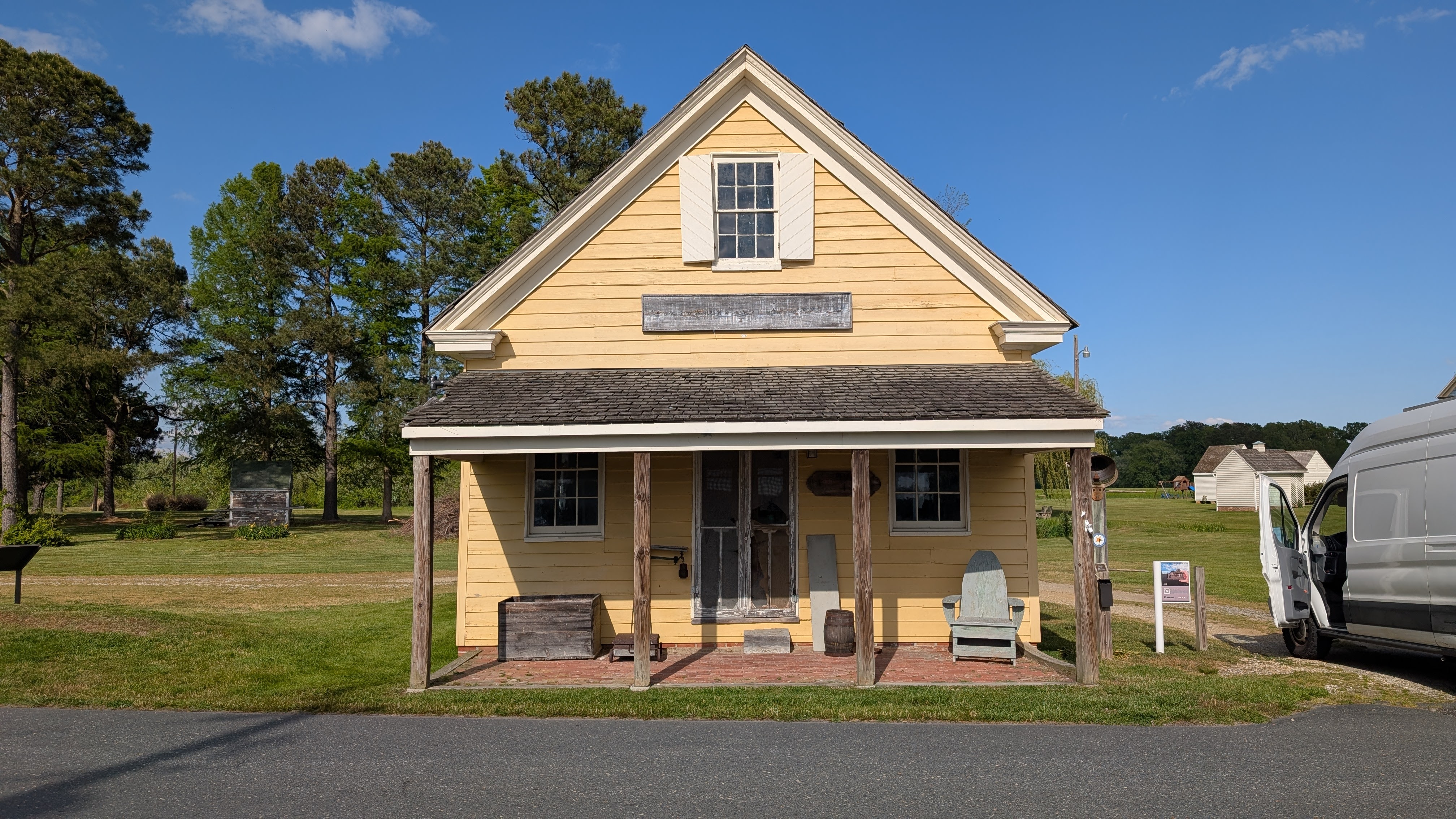
A terrific benefit of Harvest Host is the people you meet and the experiences you have. In this case, I met Maria and learned that in addition to the farm, she worked at the Fiber Arts Center in Denton, MD. Wow – right up my alley. Turns out they had a quilt exhibition and a fabric sale the very next day; although I hadn’t planned on it, I was definitely going to go the opposite direction I’d intended so I could check it out.
I needed to be in a town for a job interview at 2 and with my wifi sometimes sketchy, I thought the Denton library would be good for that too. Indeed it was. In addition to their wifi I was able to use a study room – it was perfect. Public libraries are the best public institutions we have!
Denton had even more to offer me; there were five Underground Railroad Sites thereincluding the William Still Center. This one stuck with me due to the gut-wrenching story of the Still family. Long before William was born, his mother, Sydney, escaped enslavement with four kids (her husband had been set free years earlier) but was recaptured. She later escaped again, but with just two of the children, having been forced to make a “Sydney’s Choice” decision. Out of spite and hatred, the enslaver sold the two boys, Peter and Levin, to an enslaver in Kentucky who then sold them to a slaver in Alabama.
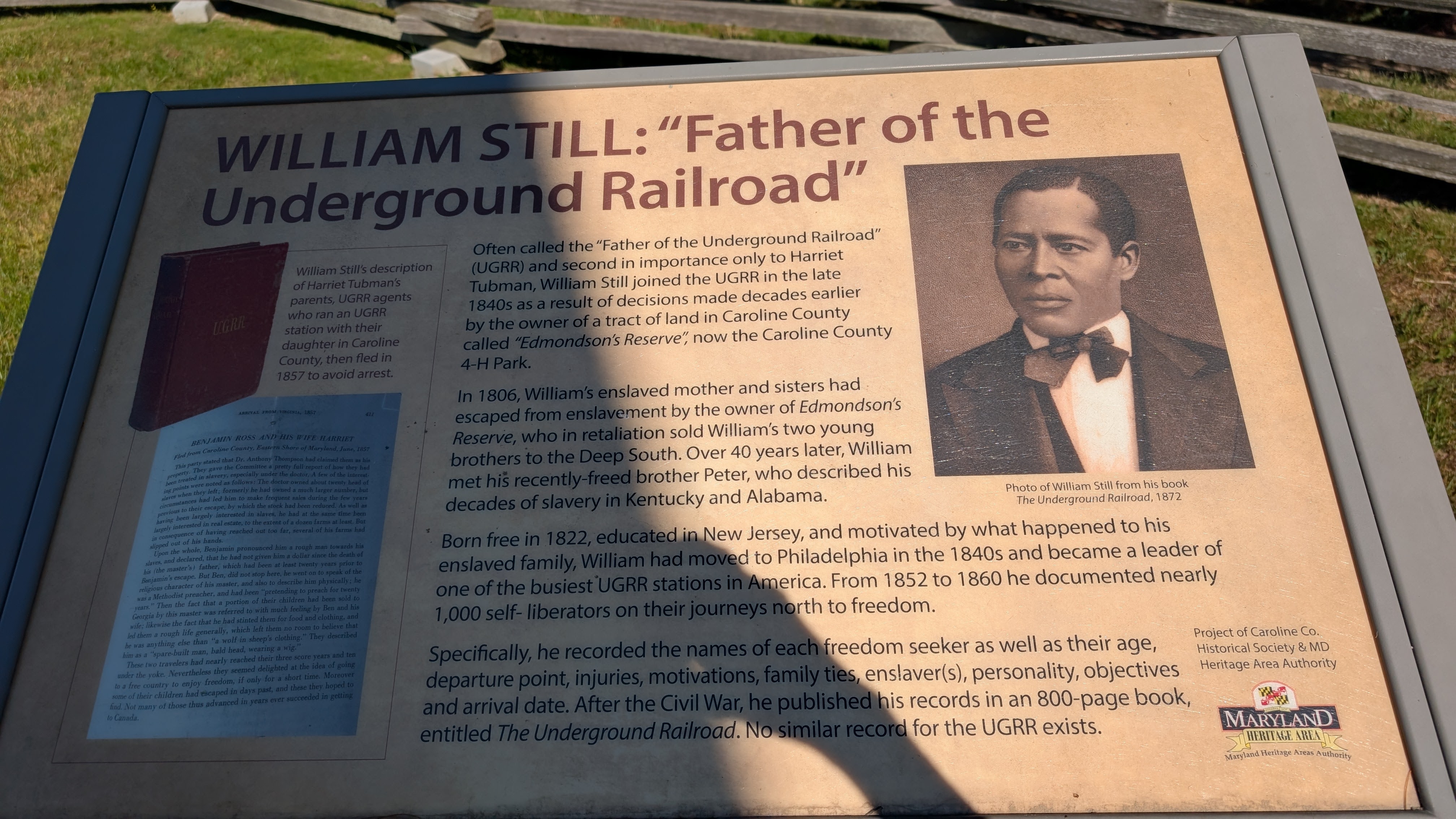
William was the youngest of the 18 kids in the Still family and after getting his education he became a leader in the anti-slavery movement in Philadelphia, his worksite a stop where Harriet Tubman passed through many times as she guided people along the underground railroad. William discovered that his brother Peter was one of the people they helped escape to freedom.
Often over the course of the last eight months I’ve been acutely aware of my privilege as I travel. I have felt welcomed, safe and able to ask for help, or be offered help, when needed, no doubt in large part because of my identity. My increased awareness and the value I’ve found in learning the specific stories about people like the Still family highlights how essential it is that we not shy away from the whole of our history. That means we have to make sure our schools and institutions have the freedom to tell the stories, all of our stories, that have contributed to who we are and what we will become.
This is kind of an odd post, with the mixing of my day-to-day with the intense historical struggles of enslaved people. I guess that’s representative of my trip – I deal with practical matters and ordinary experiences while seeing, doing, learning more than I ever have in my life! It’s pretty freakin’ awesome!


Leave a Reply