My exploration of the civil rights movement in the South began in earnest in Hattiesburg, MS, continued into Jackson, and went even deeper in Selma, Montgomery, Birmingham and Anniston, all in Alabama. Next was a visit to Atlanta, Macon and Albany in Georgia. In the post I’m focusing just on Hattiesburg and Jackson.
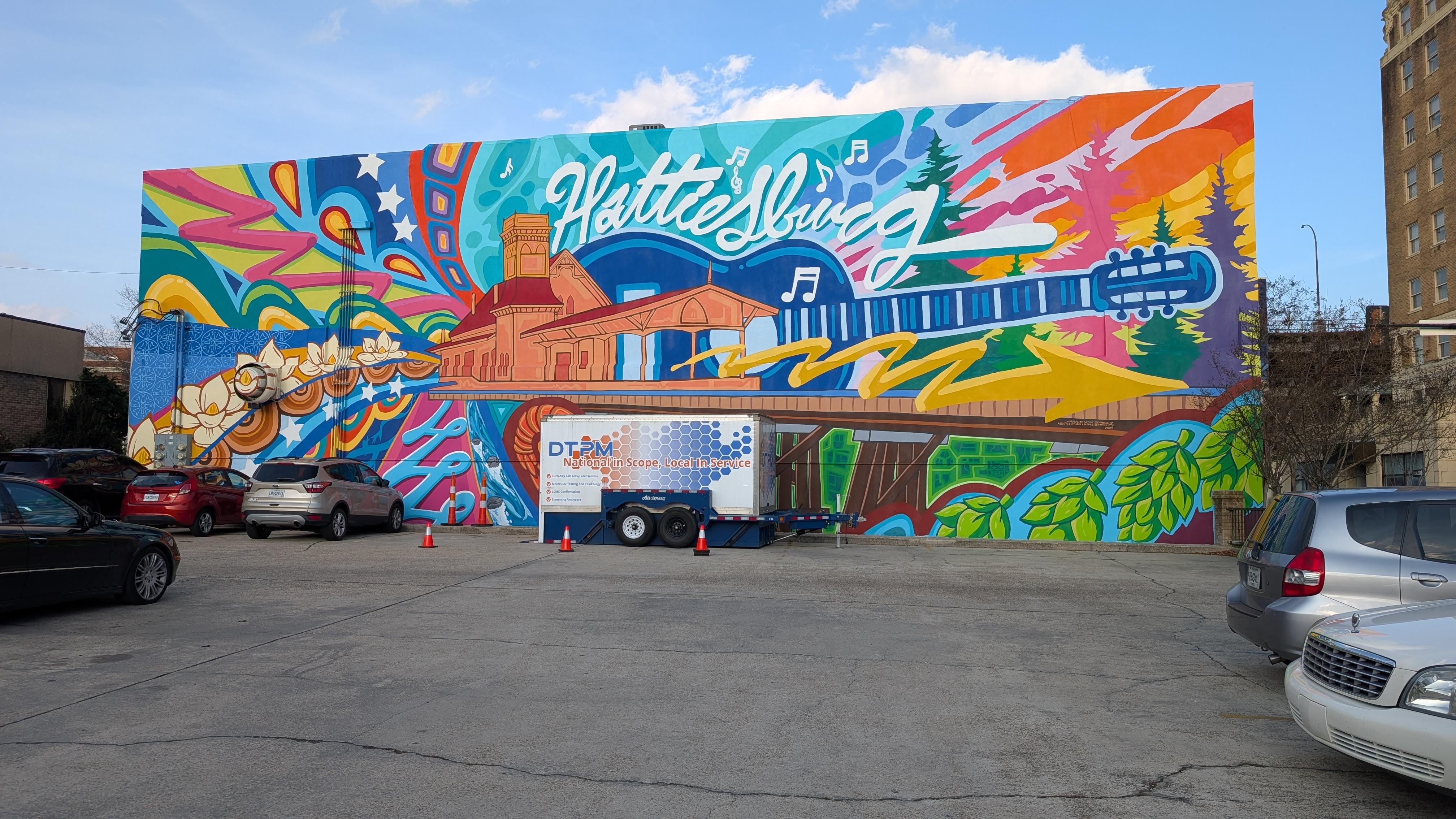
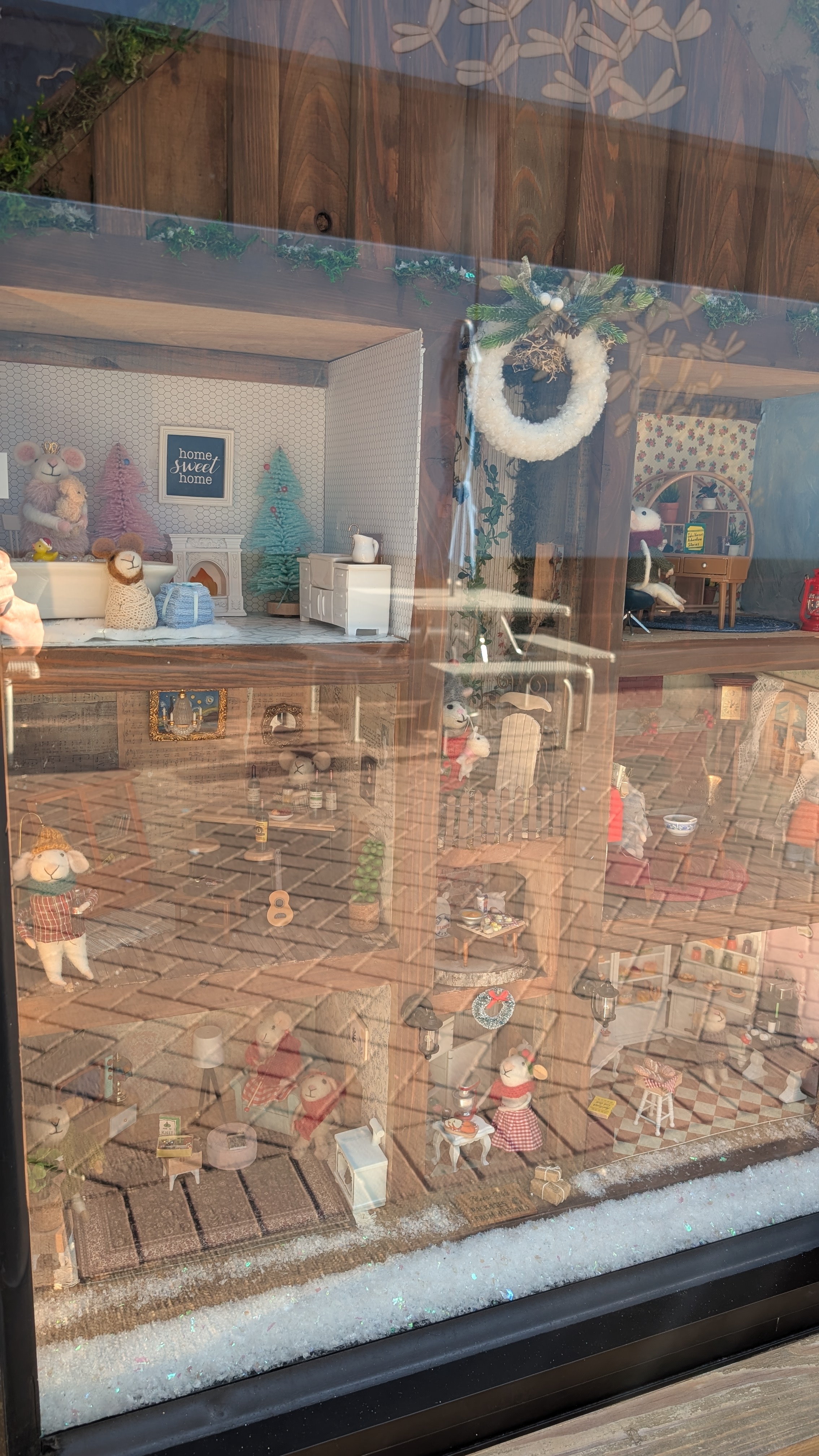
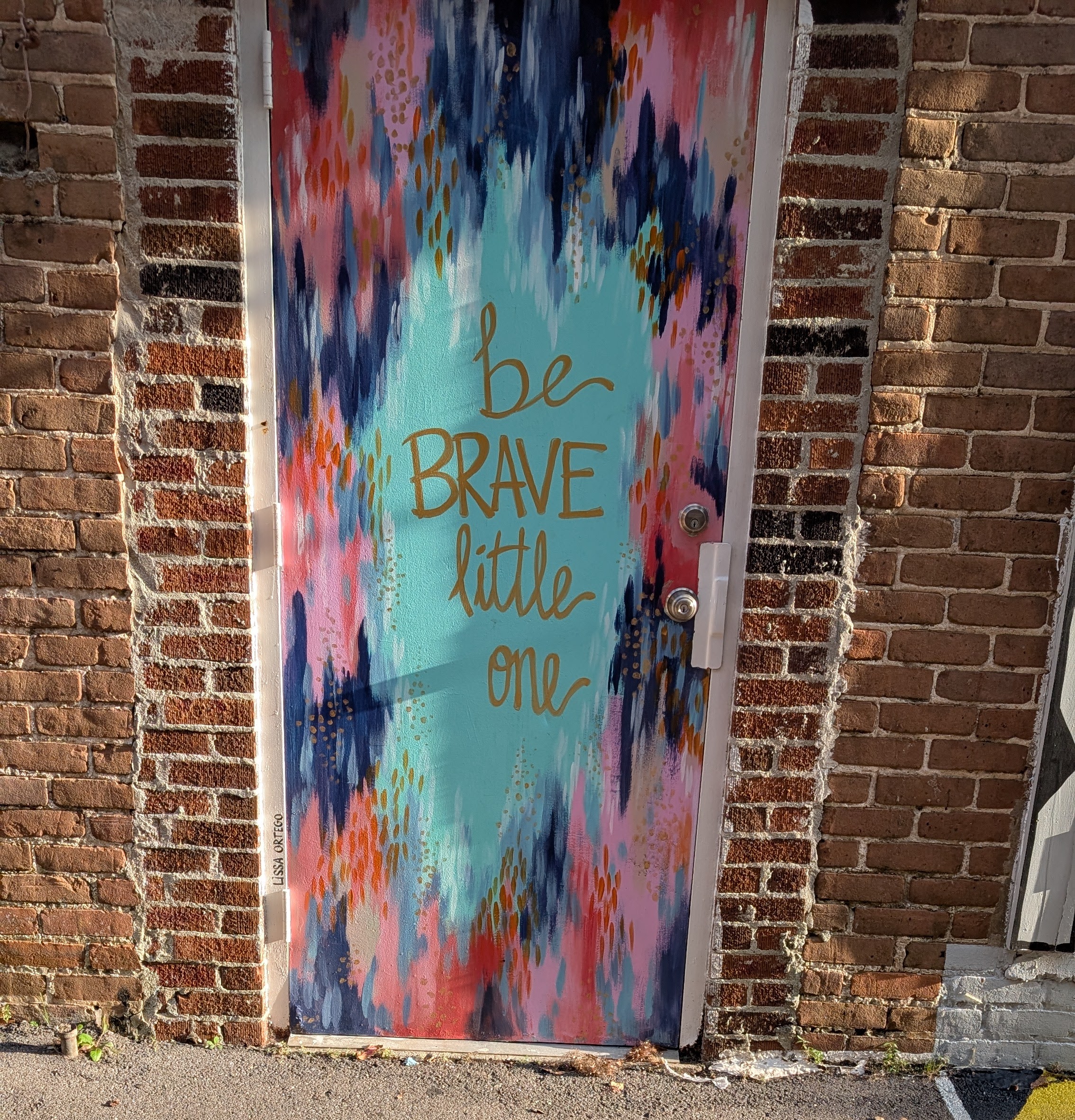
My visit in Hattiesburg began with a relaxed saunter around downtown, a very quiet downtown. The Pocket Museum was mentioned as a worthwhile visit by several people, so I made my way there and spent a delightful 20 minutes exploring this playful and curious alley. The photos convey the vibe better than my words can.
Next up was a partly driven, partly walked venture along the Freedom Summer Trail audio tour and I made it through 10 of the 16 sites before I ran out of time. Freedom Summer took place in 1964, with Hattiesburg showing up as the largest site in Mississippi. 90 out-of-state volunteers joined 3000 locals to push hard for voting rights for Black citizens and provide Freedom Schools to 675 students (https://hburgfreedomtrail.org/).
I heard the story told by Freedom School teacher Umoja Kwanguvu of an action taken at the public library where he and another teacher worked with a group of kids to challenge the segregation of public libraries. They went into the library, each one requesting a specific book from the librarian. They were told the library didn’t have the books and that they needed to leave…they weren’t welcome in the library. They had been instructed that when that happens, they should calmly sit down at a table, which they did. Eventually, the police were called and the teachers were taken to jail while the kids’ parents were called and told that the adults had forced the kids to take action so they could be charged with more serious crimes. The parents knew that was baloney.
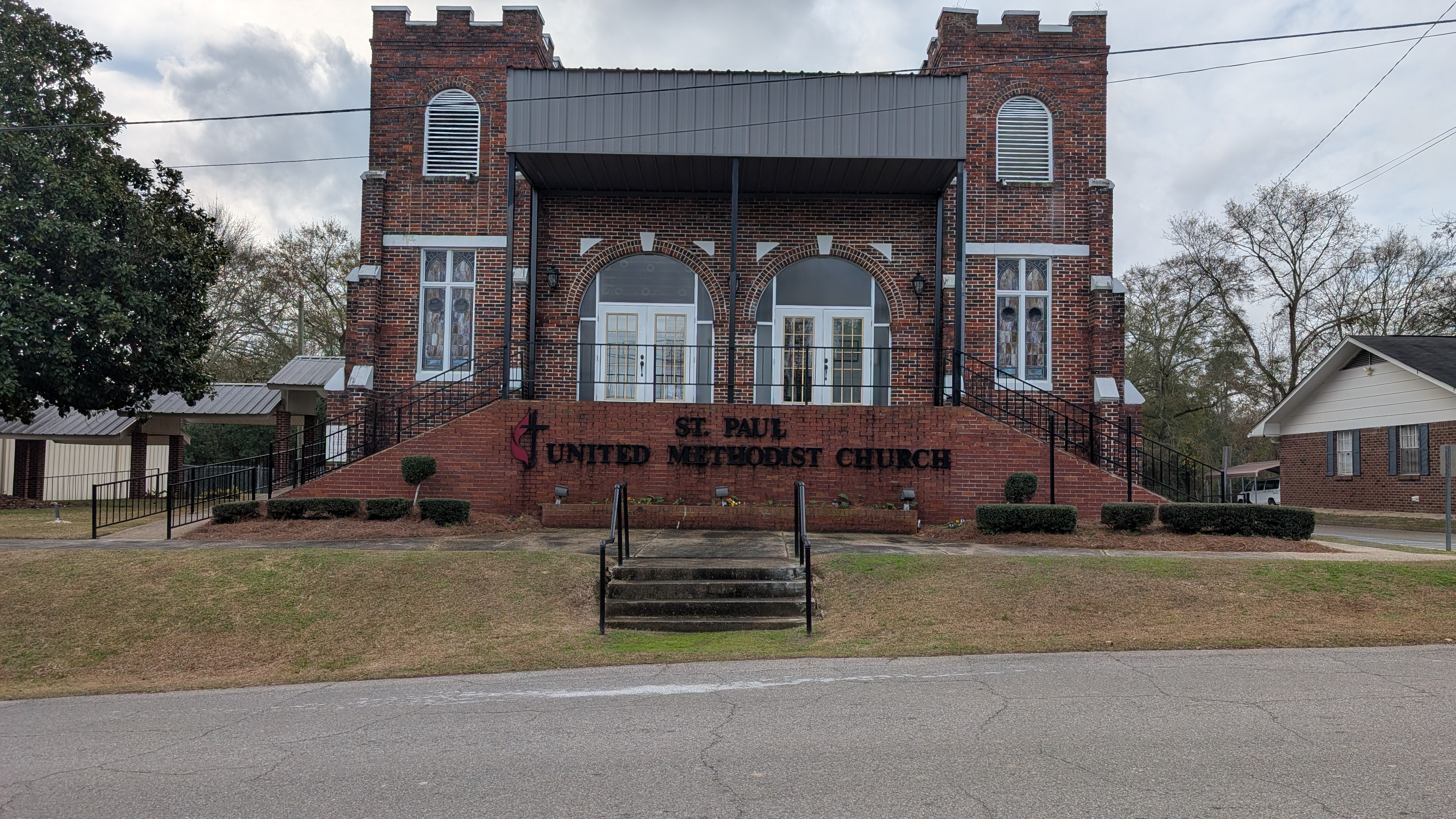
The Hattiesburg Community Center and True Light Baptist Church were two of the Freedom School locations. As I stood looking at the church I could almost feel the energy and power that comes from learning. Freedom Summer was just one of the many “hard things” people accomplished in solidarity with one another and an aspiration to make things right.
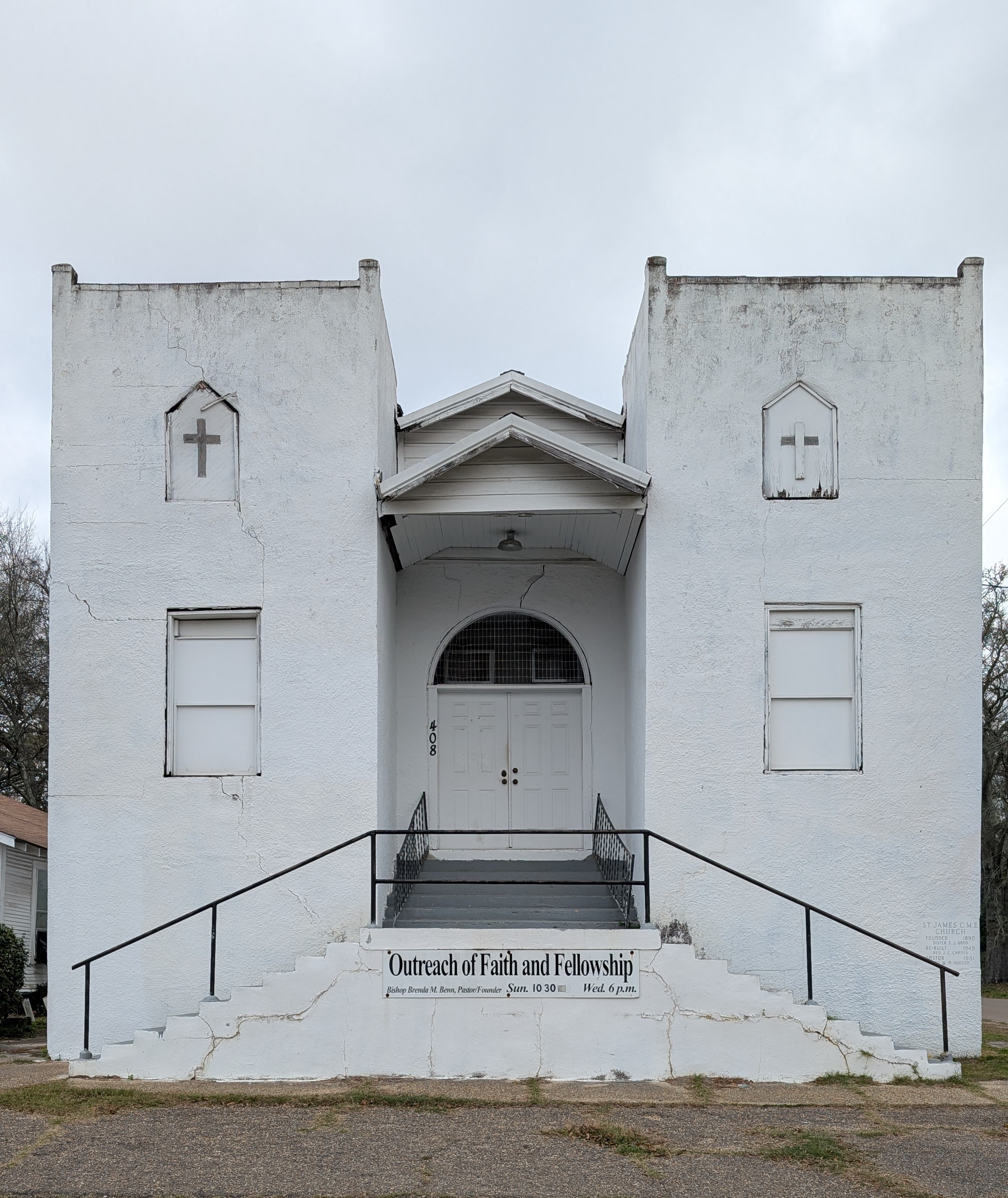
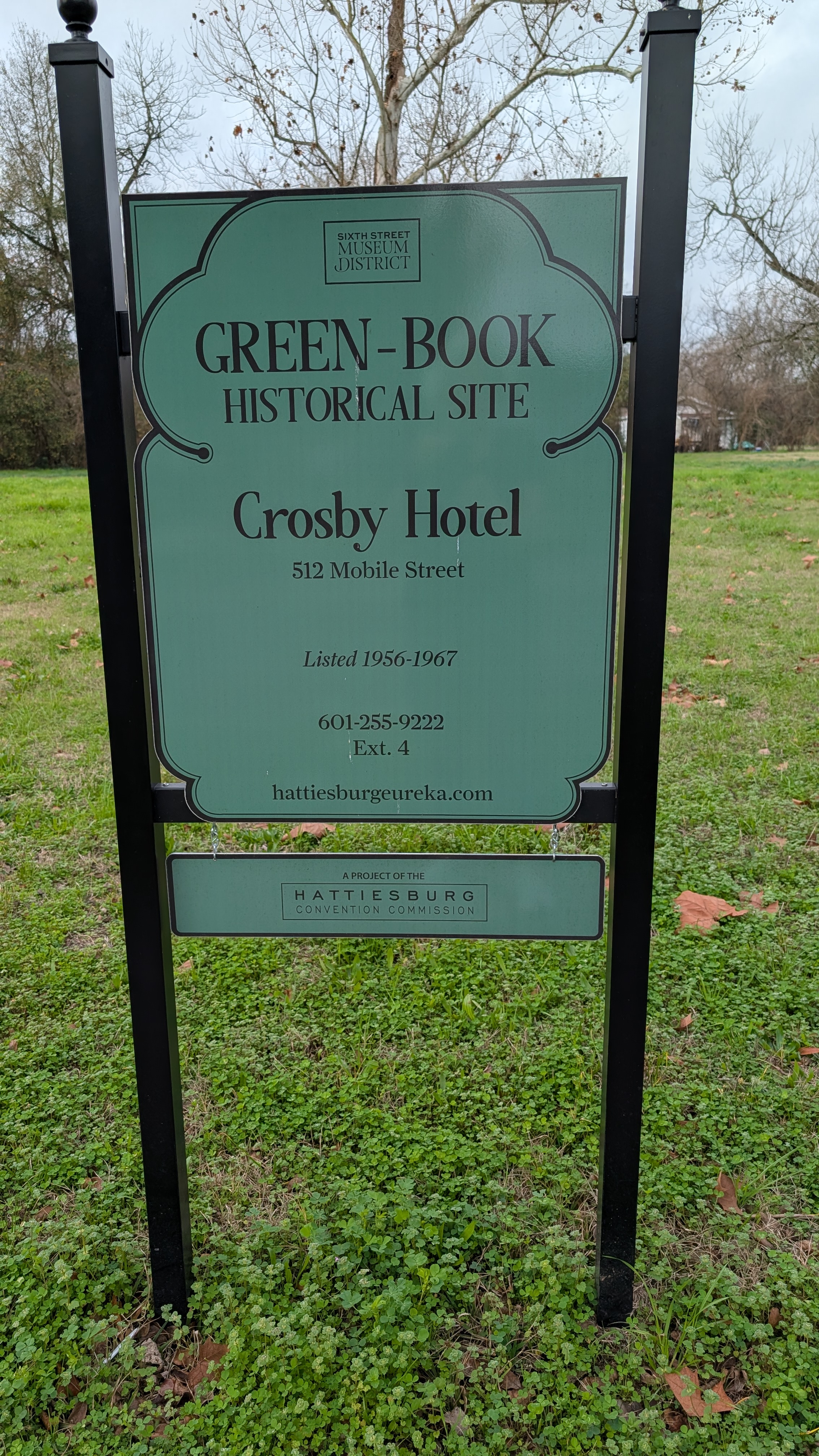
Although not part of the tour, the numerous markers of Green Book sites were cause for reflection. It wasn’t the first time I had thought about my ease of movement on the camper van adventure I’m on. Travel in past decades was dangerous for Black people and all marginalized groups (women too), and it continues to pose risks and challenges for Black and Brown people, Indigenous people, Asian Americans, Pacific Islanders and the LGBTQ+ community. As a white woman I haven’t encountered any situations where I felt uneasy or unwelcome. I may have picked up a hesitancy or two upon mentioning I’m from Seattle! Seriously, though, I’m aware as I travel of the privilege I carry now and the enormous privilege I would have had during the civil rights movement of the 60s. I like to think I would have all I could to make the world safe for everyone, not just white people.
On to Jackson, MS
When I arrived in Jackson I headed straight for the Mississippi State Civil Rights Museum which was separate but connected to the Mississippi State History Museum. I popped into the latter after spending a good chunk of time in the Civil Rights building but not long enough to have a good sense of it.
On the other hand, the Civil Rights exhibits went deep and provided a multimedia experience that kept my attention focused. I could easily have spent another two hours reading, exploring and experiencing the space. The constant threat of harm if the ridiculous rules weren’t followed, rules like a Black person needing to ask permission to walk on the sidewalk whites were walking on, was easy to imagine as I walked through rooms with threatening signs, menacing voices demanding obedience, and newspaper headlines and photographs of violent acts committed by ordinary people and police alike. But there “ain’t no power like the power of the people and the power of the people don’t stop,” as shown in the courageous and bold actions taken by so many Black people and many white people too.
The museum was rich and one of the lessons I’m learning from my travels is to give yourself plenty of time and don’t rush through the stories of our history.
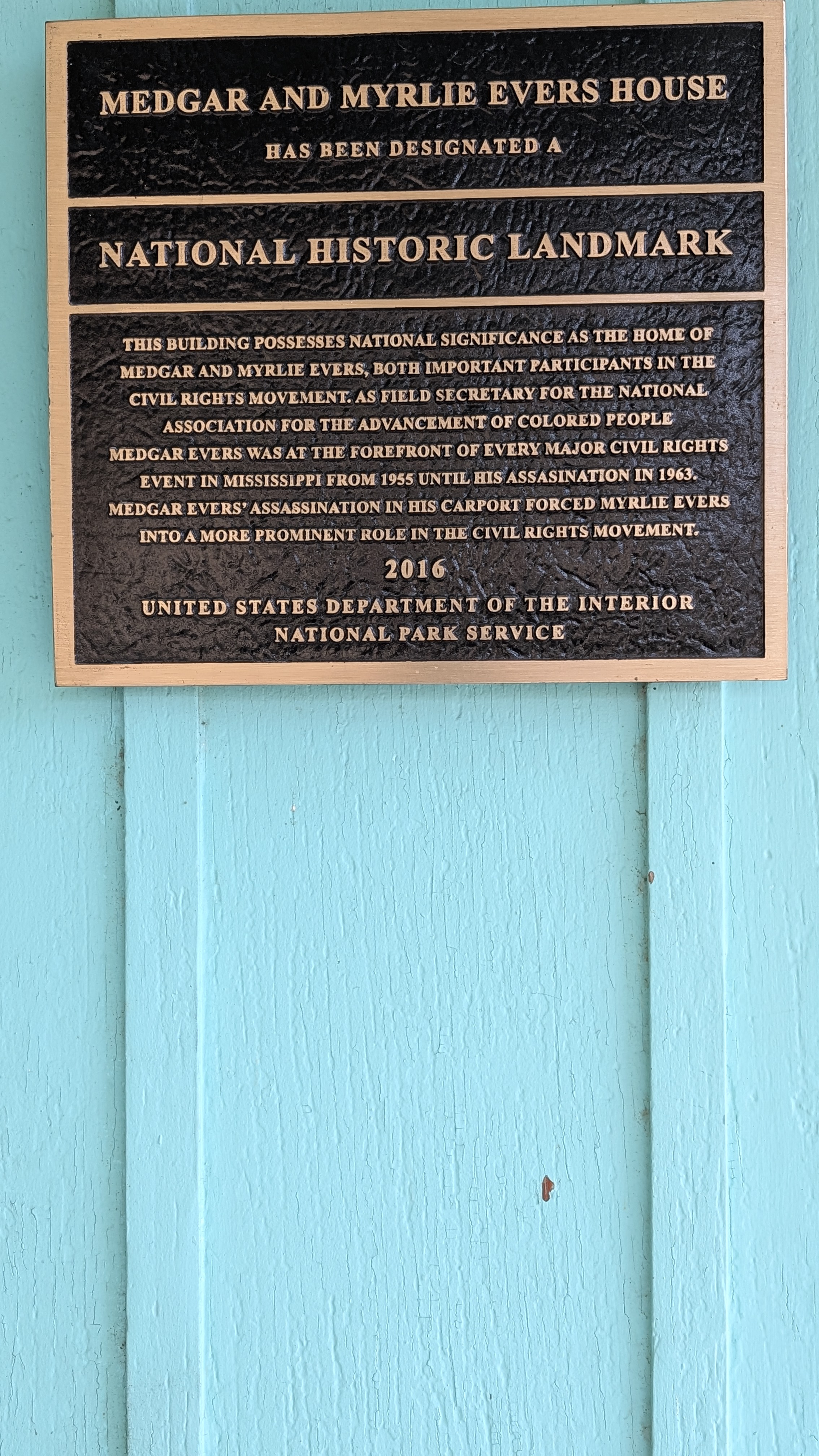
I’m really glad I visited the neighborhood where Medger and Myrlie Evans lived and was able to tour their house; this was a powerful visit that really got to me. A national historic site, there were two staff, one of whom gave me a pointed explanation of details I wouldn’t have known without her. The house itself was brand new when they moved in and the Evans’ were able to ensure design features that provided added security. For example, there was no front door, but there was a large picture window in the front room providing an expansive view of who might be outside or approaching the house. The side door opened to the carport and made for a quick entrance to the house from the passenger side of the car. That meant that the family would practice scooting across the seats to get out on the passenger side if trouble was around. Another especially poignant feature of the house was the childrens’ beds on the floor, ensuring the kids were below the windows to keep them safer.
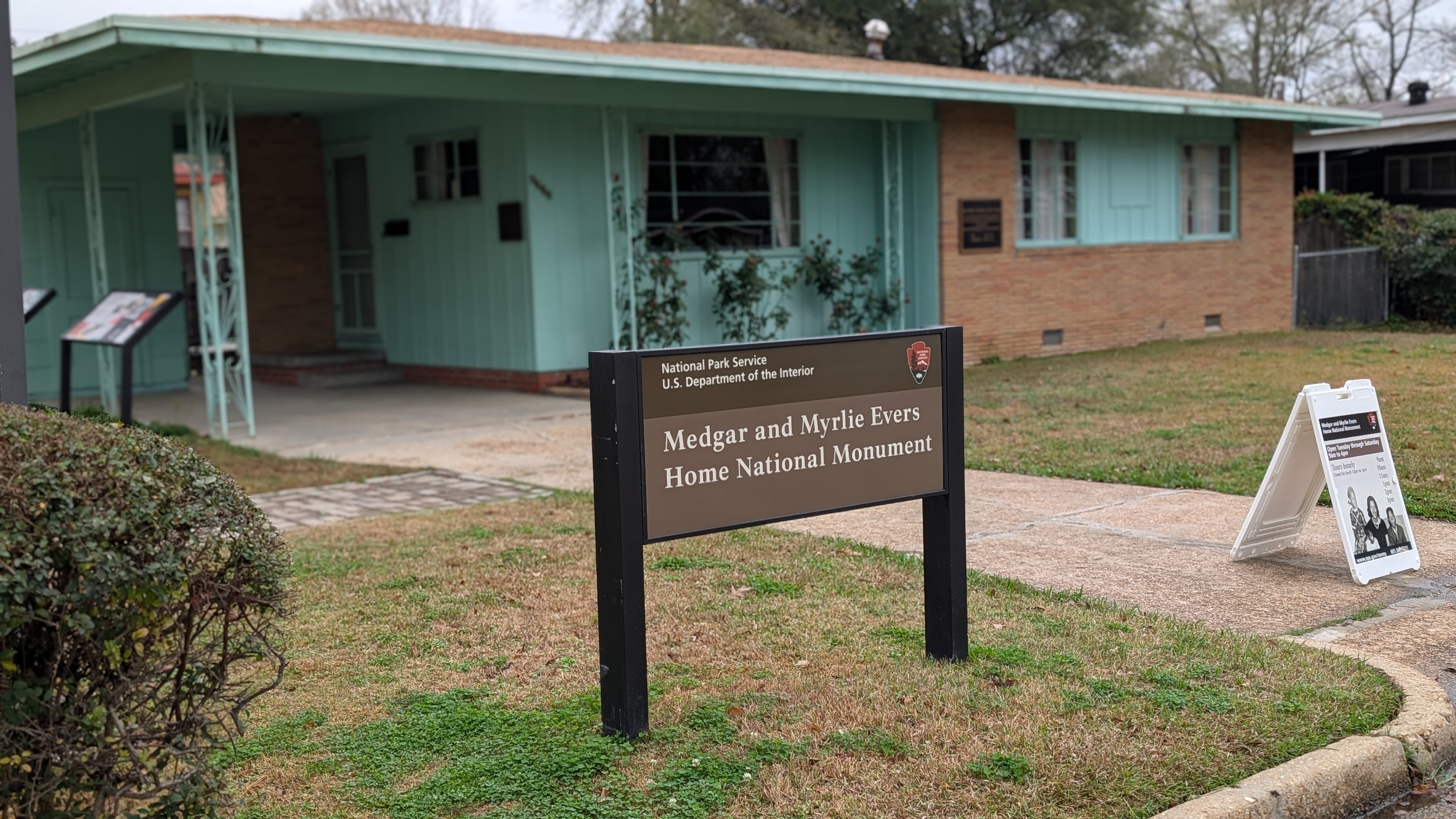
The Evans family were avid farmers with fruit trees and other produce growing in their garden…the refrigerator was stocked with the kinds of food they grew…plums, squash, peaches, greens. There was also a shed outside that stored fish and meat the Medger caught or hunted. There was a strong thread of self-sufficiency and a commitment to thriving, all the while aware of the threat they faced day in and day out.
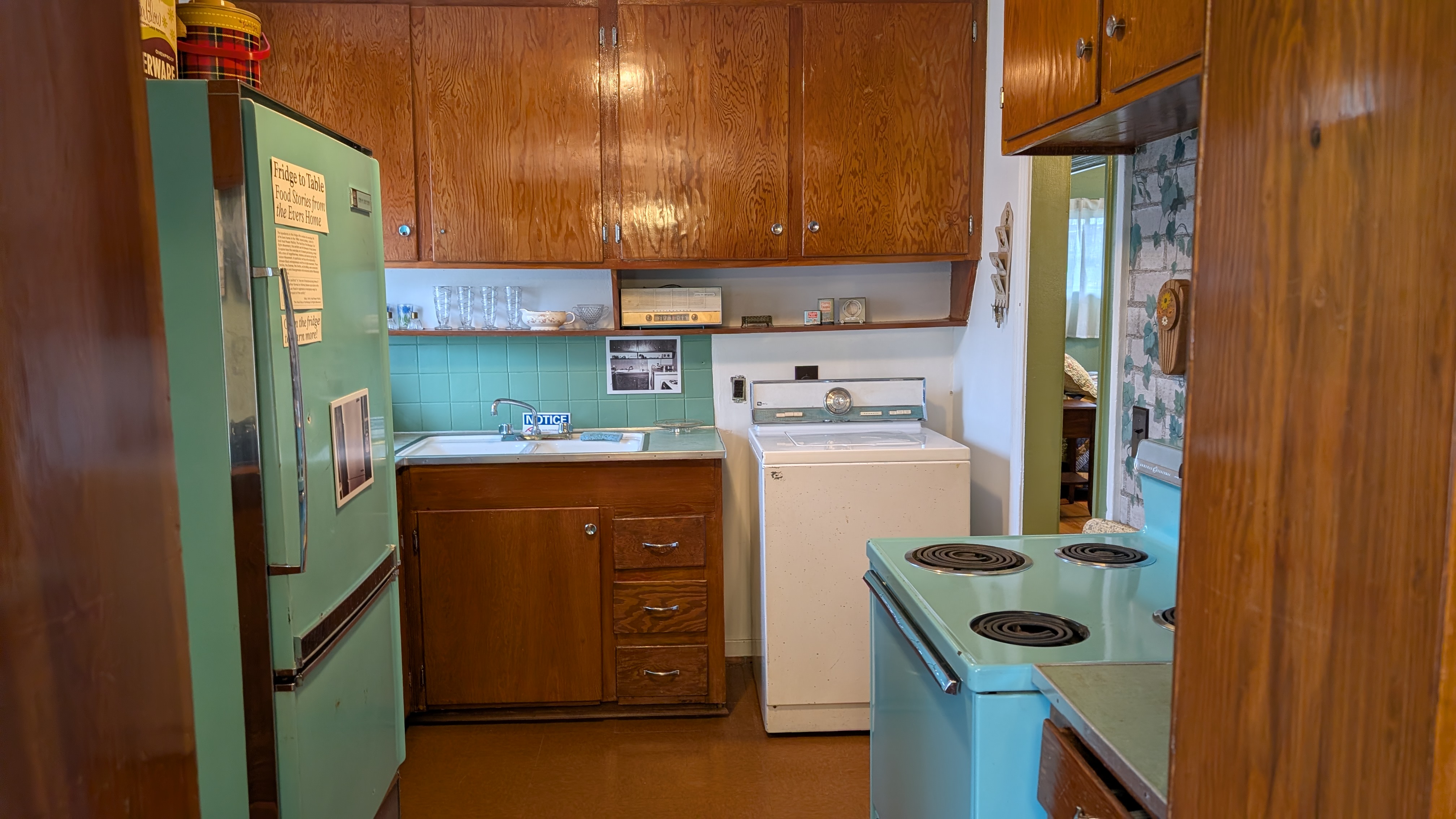
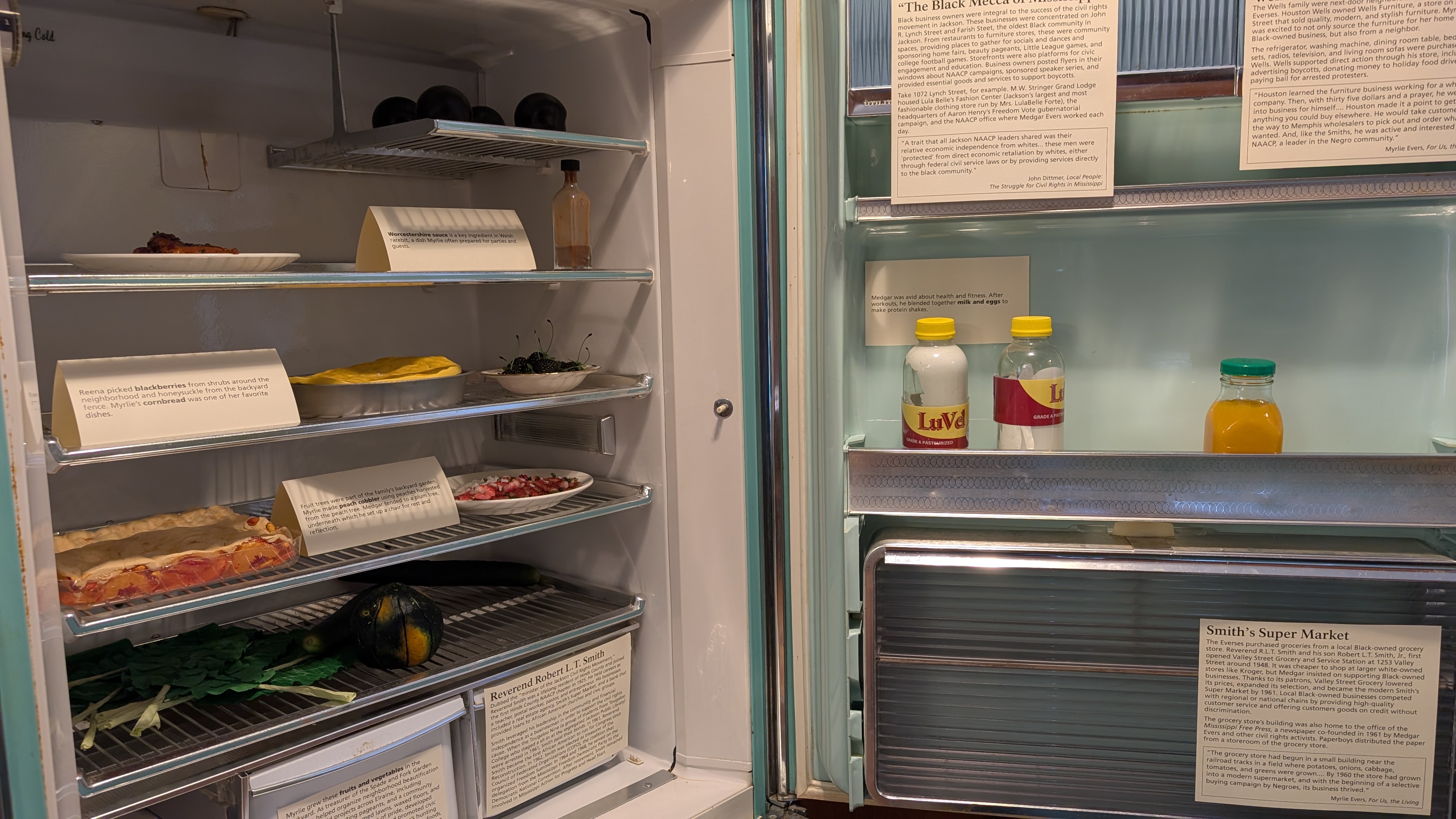
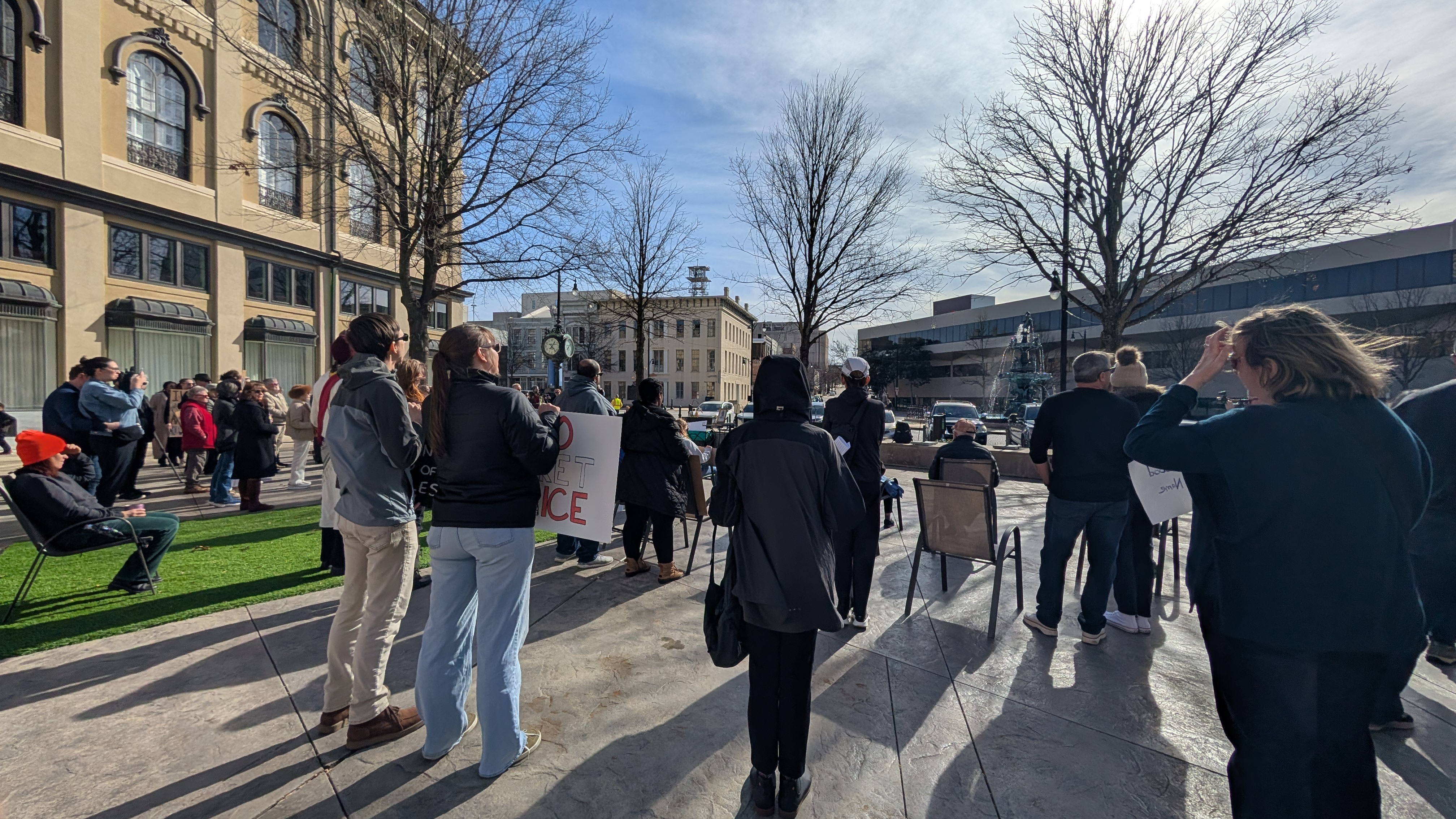
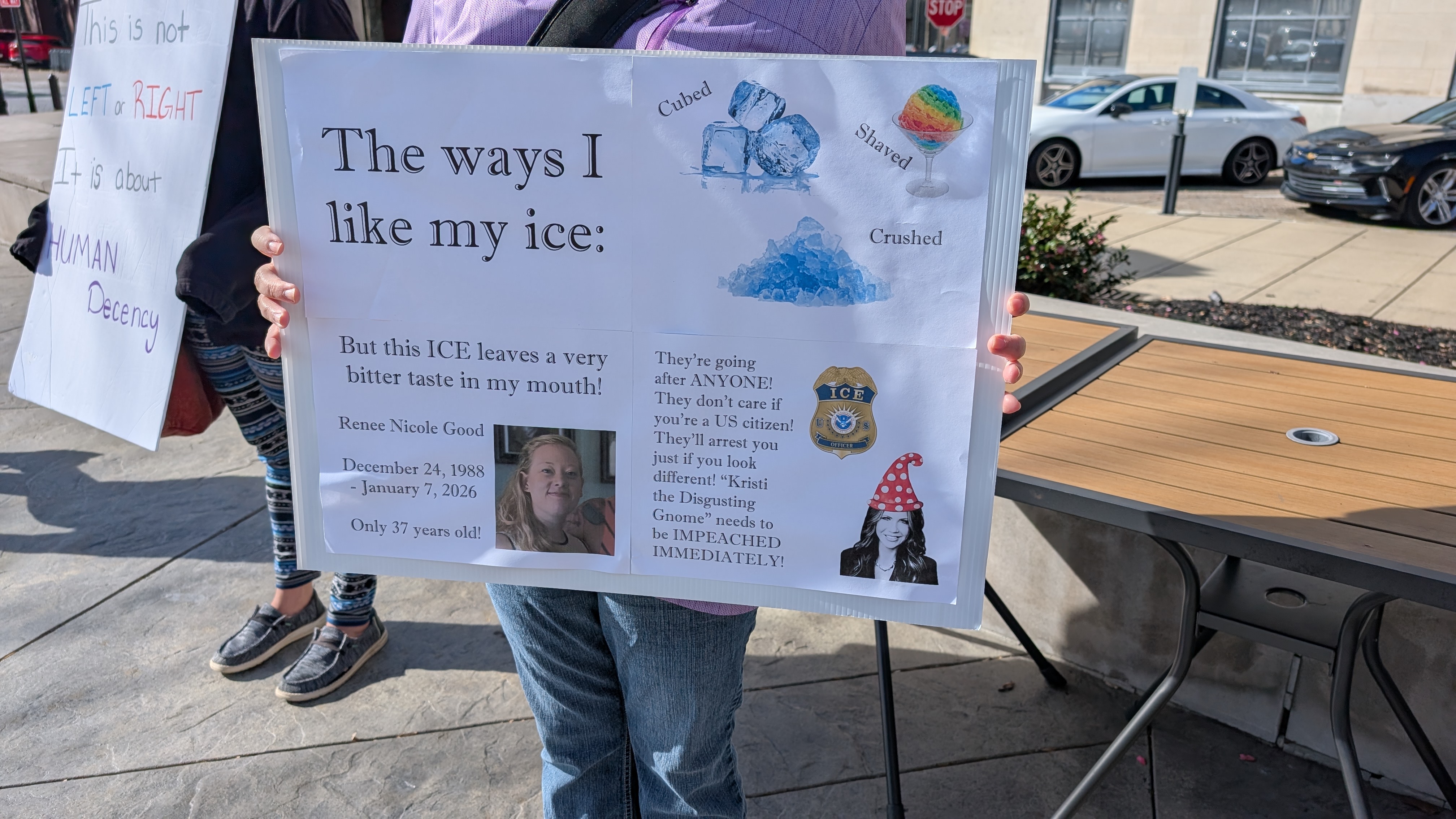
I visited the Evans’ house shortly after the murder of Renee Nicole Good. It was impossible for me not to consider the current government’s use of force and violations of civil and human rights and ask myself what will I do? Immersing myself in the long struggle for the actual right to vote, for the freedom to safely ride in the front of the bus, for quality education and so much more deepened my respect for the ordinary, courageous people who proclaimed ENOUGH IS ENOUGH and demanded what they deserved. They did extremely hard things and are owed our gratitude. But gratitude isn’t enough and I’m thinking much more concretely these days about how I show up to help stop the madness we are living in. When I got to Montgomery I went downtown on Sunday and happened upon and ICE OUT rally. It was great to be with others standing together and I even got to hang out and chat with some of the organizers of the event afterwards.
 Karen in the Gap
Leave a comment